The 2026 market for Polyethylene Lumber Tarp manufacturers is being shaped by durability, material science, and stricter buyer expectations. Lumber haulers need covers that resist abrasion, ultraviolet exposure, rain, and repeated folding. A tarp that looks strong in a showroom may fail beside a loading yard. Seams, hems, grommets, and coating thickness matter.
Grand View Research reports that the global polyethylene market continues to expand, supported by packaging, construction, transportation, and industrial applications. Smithers also identifies performance, recyclability, and longer service life as major themes in future polyolefin development. These findings matter because lumber tarps sit between polymer engineering and demanding logistics. Their value depends on real use, not only fabric weight.
As polymer specialist Dr. Mike Tolinski notes, “Additives can improve performance, but they must be selected for the application.” That principle applies directly to Polyethylene Lumber Tarp production. UV stabilizers may protect fabric color and strength, while reinforced polyethylene scrims can reduce tearing during loading. Still, specifications can be confusing. Heavier material does not always guarantee better service. Manufacturing consistency, welding quality, and after-sales support deserve equal attention.
This guide examines the 2026 top Polyethylene Lumber Tarp manufacturers through measurable factors, including tensile strength, waterproof performance, cold flexibility, repairability, customization, and testing practices. It also considers supplier transparency, because marketing claims should be supported by technical data sheets and recognized testing methods. The industry is improving, but not perfectly. Buyers should remain critical. A reliable tarp is not merely thick; it is engineered for the road, the weather, and repeated daily handling.
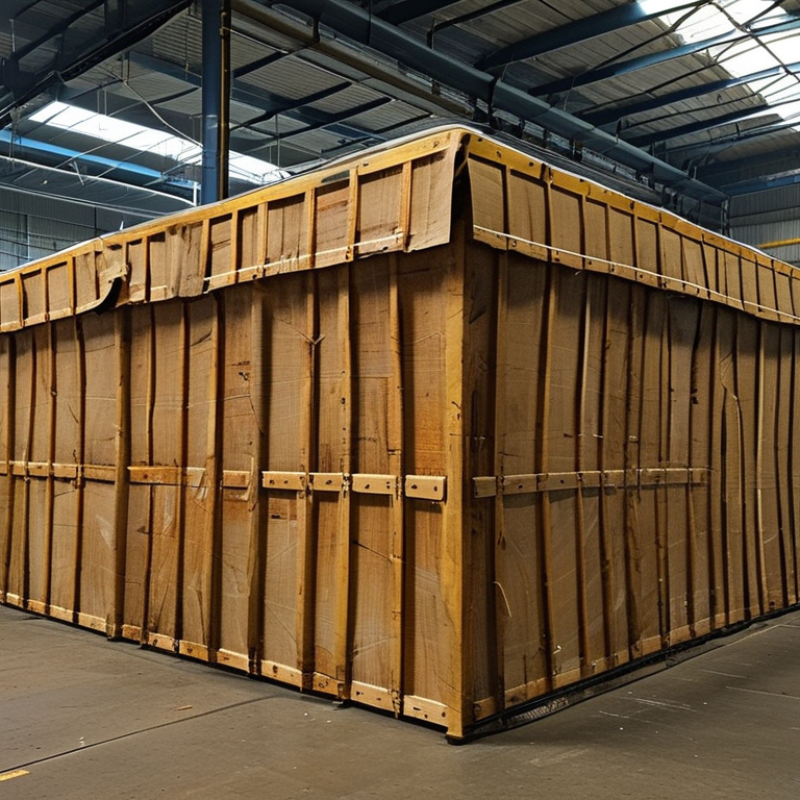
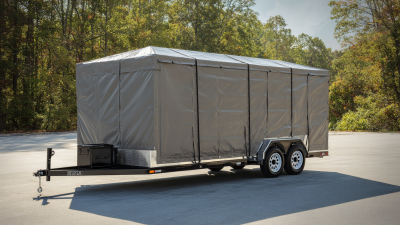
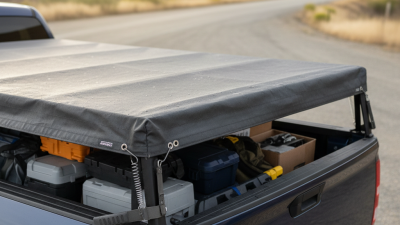
Polyethylene lumber tarps protect stacked wood from rain, road spray, dust, and prolonged sunlight. They are commonly used during transport, outdoor storage, and temporary jobsite coverage. A reliable tarp should resist tearing while remaining flexible in changing temperatures. It must also cover uneven loads without leaving exposed corners. Small gaps can cause serious moisture damage.
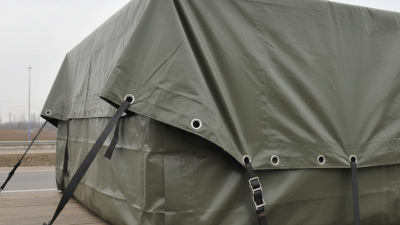
Most lumber tarps use woven polyethylene fabric with a coated surface. This structure combines tensile strength with water resistance. Reinforced hems, rust-resistant grommets, and stitched or heat-sealed seams improve service life. Many designs include drop flaps that cover the sides of a load. Extra material matters. A tight tarp may pull against the cargo and fail at the corners. However, excessive fabric can flap dangerously during transport.
Common applications include sawn timber, plywood, engineered boards, and packaged construction materials. On busy routes, UV protection helps reduce brittleness and color fading. Proper tensioning also prevents pooling water between uneven bundles. Inspectors should check abrasion marks, loose grommets, seam separation, and trapped moisture before reuse. I have found that clean storage extends tarp life more than buyers expect. Still, no cover repairs poor load arrangement. Some specifications look impressive on paper but perform poorly when the fabric is too thin. Field conditions deserve more attention than marketing claims.
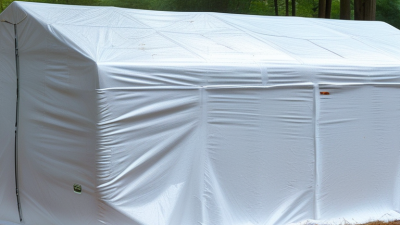
2026 Top Polyethylene Lumber Tarp Manufacturers
How to Evaluate Polyethylene Lumber Tarp Manufacturers in 2026
Selecting a polyethylene lumber tarp manufacturer requires more than comparing prices. Examine the fabric’s denier, thickness, coating quality, and ultraviolet resistance. A dependable tarp should protect stacked lumber from rain, road spray, sunlight, and repeated handling. Ask for test data covering waterproofing, seam strength, abrasion resistance, and cold-weather flexibility. Vague specifications deserve caution.
During practical inspections, I check reinforced corners, webbing placement, grommet spacing, and edge binding. These details often reveal manufacturing discipline. Request a production sample, not only a catalog photograph. Measure its dimensions after tensioning. Small errors can expose lumber edges during transport. I also review batch records, incoming material controls, and final inspection procedures. Traceable documentation supports reliability when a shipment fails unexpectedly.
A responsible manufacturer should explain resin sources, recycled content claims, and disposal guidance clearly. Verify certifications with the issuing organizations instead of accepting copied logos. Factory audits can reveal rushed stitching, inconsistent coatings, or poor storage conditions. Ask how the supplier handles defective rolls and late deliveries. Strong communication matters when tarp dimensions change. I have found that attractive samples do not always predict bulk consistency. That weakness should remain part of the evaluation. Compare at least three samples across different production batches, then test them under realistic loading and weather conditions.
2026 Top Polyethylene Lumber Tarp Manufacturers
Top polyethylene lumber tarp manufacturers focus on protection, fit, and dependable field performance. Experienced producers select woven polyethylene fabric with a tight structure and consistent coating. This balance helps resist rain, dust, sunlight, and repeated folding during transport. Stronger materials matter.
Manufacturers with practical expertise reinforce stress points around grommets, corners, and lifting areas. Heat-sealed seams can reduce water entry when production temperatures remain carefully controlled. Heavy-duty webbing also improves tension control across uneven lumber loads. Some producers offer multiple drop lengths, allowing the tarp to cover stacked boards without excessive loose fabric. That detail can prevent flapping and edge wear.
Reliable manufacturers use documented inspections for fabric weight, seam strength, coating adhesion, and dimensional accuracy. Batch records make quality problems easier to trace. Clear care instructions support longer service life, especially when tarps are dried before storage. In real operations, even a well-made tarp may fail when it is dragged across rough pavement or secured against sharp corners. That limitation deserves honest attention. Product testing should reflect such conditions, not only clean laboratory samples. Buyers can compare repair support, replacement parts, lead times, and customization options alongside material specifications. Performance is rarely based on fabric alone.
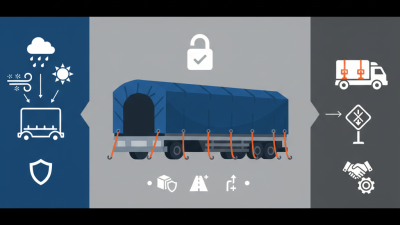
Heavy-duty polyethylene lumber tarps commonly use reinforced laminated fabric, closely spaced grommets, wide hems, and UV-stabilized coatings. The chart presents representative industry ranges for key construction features, rather than company-specific data.
Reliable polyethylene lumber tarp manufacturers begin with controlled materials, not attractive color charts. They document resin sources, coating ratios, fabric weight, and production dates. Each batch should receive a traceable identification code. This record helps connect a field complaint to a specific roll, machine, and operator.
Manufacturing standards must match the load and working environment. Inspectors commonly check tensile strength, tear resistance, coating adhesion, UV stability, and waterproof performance. Seam testing matters too. A tarp can have strong fabric and still fail at a poorly heated seam. Samples should be taken from different roll positions, including edges and corners. These areas often reveal uneven coating or weak reinforcement.
Customization should solve practical problems. Manufacturers may adjust dimensions, eyelet spacing, hem width, buckle placement, and reflective markings. A lumber carrier may need reinforced corners for repeated tie-down pressure. Another may require softer fabric for cold-weather handling. Clear drawings and signed specifications reduce costly misunderstandings. Still, no inspection system is flawless. A missed stitching defect can pass a visual check. Periodic destructive testing is uncomfortable but necessary. Cutting a sample open may expose layered weaknesses before they reach a jobsite. Buyers should request test methods, acceptance limits, inspection frequency, and corrective-action records. Vague claims sound efficient. They are not reliable evidence.
| Production Configuration | Typical Material Structure | Common Fabric Weight | Typical Finished Size Range | Standard Manufacturing Features | Available Customization | Recommended Quality-Control Checks | Relevant Test Methods or Standards |
|---|---|---|---|---|---|---|---|
| Light-Duty Lumber Cover | Woven polyethylene scrim with laminated polyethylene film on one or both sides | 8–12 oz/yd² (270–410 g/m²) |
12 × 16 ft to 20 × 30 ft (3.7 × 4.9 m to 6.1 × 9.1 m) |
Heat-sealed or sewn perimeter hem; aluminum or plated-steel grommets; reinforced corner patches | Color selection, hem size, grommet spacing, corner reinforcement, printed handling marks | Fabric weight, coating adhesion, seam strength, grommet pull-out, dimensional accuracy, visual defects | ASTM D751 for coated fabrics; ASTM D5034 or ASTM D5035 for textile tensile strength; ASTM D1790 for low-temperature impact where specified |
| Standard Transport Lumber Tarp | High-density woven polyethylene scrim with UV-stabilized polyethylene coating | 14–18 oz/yd² (475–610 g/m²) |
16 × 24 ft to 20 × 30 ft (4.9 × 7.3 m to 6.1 × 9.1 m) |
Multi-row reinforced hems, corrosion-resistant grommets, waterproof seams, folded and secured packaging | Custom length and width, grommet pitch, webbing straps, reflective markings, identification labels | Basis weight, tensile and tear strength, hydrostatic resistance, seam leakage, UV exposure, grommet retention | ASTM D751; ASTM D4851 for coated-fabric water resistance; ASTM G154 or ISO 4892-3 for accelerated UV exposure |
| Heavy-Duty Flatbed Lumber Tarp | Heavy woven polyethylene scrim, UV-stabilized coating, and reinforced perimeter webbing or multi-layer hems | 18–24 oz/yd² (610–815 g/m²) |
20 × 27 ft to 24 × 30 ft (6.1 × 8.2 m to 7.3 × 9.1 m) |
Double-stitched or heat-welded hems, reinforced corners, high-strength attachment points, controlled folding | Oversized panels, custom reinforcement layouts, strap pockets, lifting loops, edge webbing, serialized labels | Seam tensile strength, tear propagation, puncture resistance, attachment-point load, coating flexibility, final inspection | ASTM D751; ASTM D5733 for trapezoid tear; ASTM D4833 for puncture resistance; ASTM D638 for polymer-film tensile testing where applicable |
| Cold-Weather Lumber Cover | Flexible polyethylene coating formulated for low-temperature handling over woven polyethylene scrim | 14–20 oz/yd² (475–680 g/m²) |
16 × 24 ft to 24 × 30 ft (4.9 × 7.3 m to 7.3 × 9.1 m) |
Low-temperature flexible coating, rounded reinforced corners, non-brittle hems, weather-resistant hardware | Cold-climate formulation, extra corner protection, customized hardware finish, larger pull tabs | Flex cracking, coating adhesion after conditioning, seam strength, grommet performance, cold-temperature visual inspection | ASTM D1790 for low-temperature impact of coated fabrics; ASTM D2136 for low-temperature bend testing; ASTM D751 |
| UV-Resistant Outdoor Lumber Tarp | UV-stabilized woven polyethylene with weather-resistant lamination and reinforced load-bearing zones | 16–24 oz/yd² (540–815 g/m²) |
20 × 24 ft to 24 × 30 ft (6.1 × 7.3 m to 7.3 × 9.1 m) |
UV additive control, sealed hems, reinforced grommet zones, water-resistant seams, batch traceability | UV-stabilizer level, color, reflective strips, logo-free compliance labels, custom service-life testing | Color change, tensile retention, coating chalking, seam leakage, accelerated weathering, batch-to-batch comparison | ASTM G154; ISO 4892-3; ASTM D2244 for color difference; ASTM D751 for coated-fabric performance |
| Made-to-Order Industrial Tarp | Engineered woven polyethylene construction selected according to load, exposure, temperature, and handling requirements | 12–30 oz/yd² (410–1,020 g/m²) |
Project-specific; commonly up to approximately 30 × 50 ft (9.1 × 15.2 m) per panel |
Approved technical drawing, controlled bill of materials, in-process seam checks, lot identification, final release inspection | Non-standard dimensions, curved cuts, access flaps, custom reinforcement, special hardware, packaging and palletization | First-article approval, dimensional report, material certificate, tensile and tear testing, water-resistance test, AQL-based sampling | ASTM D751; ASTM D5034; ASTM D5733; ASTM D4833; ISO 9001 quality-management practices when contractually required |
Note: Weight, dimensions, construction, test methods, and acceptance limits are typical commercial ranges for polyethylene-coated woven tarps. Final requirements should be confirmed in the approved product specification and purchase contract.
Pricing, supply capacity, and specification control matter more than a manufacturer’s catalog claims. Industry data from Grand View Research places the global polyethylene market at about US$124.8 billion in 2023, with continued growth through 2030. That scale supports stable resin availability, but it does not guarantee consistent tarp quality.
For a standard 20-by-27-foot lumber tarp, indicative FOB quotations often range from US$45 to US$110, depending on fabric weight, coating, hardware, and order volume.
Freight can change the final cost sharply.
Ask manufacturers for monthly capacity, confirmed lead times, and recent quality records. A practical supplier should explain whether production is woven, laminated, or both. Request fabric weight, tear strength, UV testing, seam construction, and grommet spacing.
The U.S. Department of Transportation’s cargo-securement guidance also makes load coverage and restraint compatibility important purchasing checks. A tarp may look strong on a sunny sample table.
Capacity claims need evidence. Buyers should compare production schedules, resin traceability, inspection reports, and pre-shipment samples.
The International Trade Centre’s trade data can help assess regional supply stability, although it does not measure tarp quality directly.
A low quote can still be a bad buy.
I would question any supplier promising unlimited output with no capacity breakdown. Small defects become expensive when wet lumber, sharp edges, and repeated highway use are involved. Expect some variation, and document acceptance tolerances before signing.