2026 Top Snow Removal Tarps What You Need to Know?
When winter arrives, snow can create significant challenges, especially for businesses and homeowners. The right tools can make a difference. Snow removal tarps are essential for effective snow management. These tarps help cover and contain snow, making cleanup easier. However, not all tarps are created equal.
Choosing the right snow removal tarps involves understanding their materials and sizes. Some tarps are heavy-duty, while others are lighter and more portable. The choice depends on how much snow you typically deal with. It’s crucial to evaluate your specific needs before buying.
Additionally, the maintenance and storage of snow removal tarps often get overlooked. A tarp left exposed to the elements can wear down quickly. Many users regret not taking better care of their equipment. Investing time in understanding snow removal tarps ensures you have the tools necessary to tackle winter's challenges effectively.
Overview of Snow Removal Tarps and Their Importance in Winter Maintenance
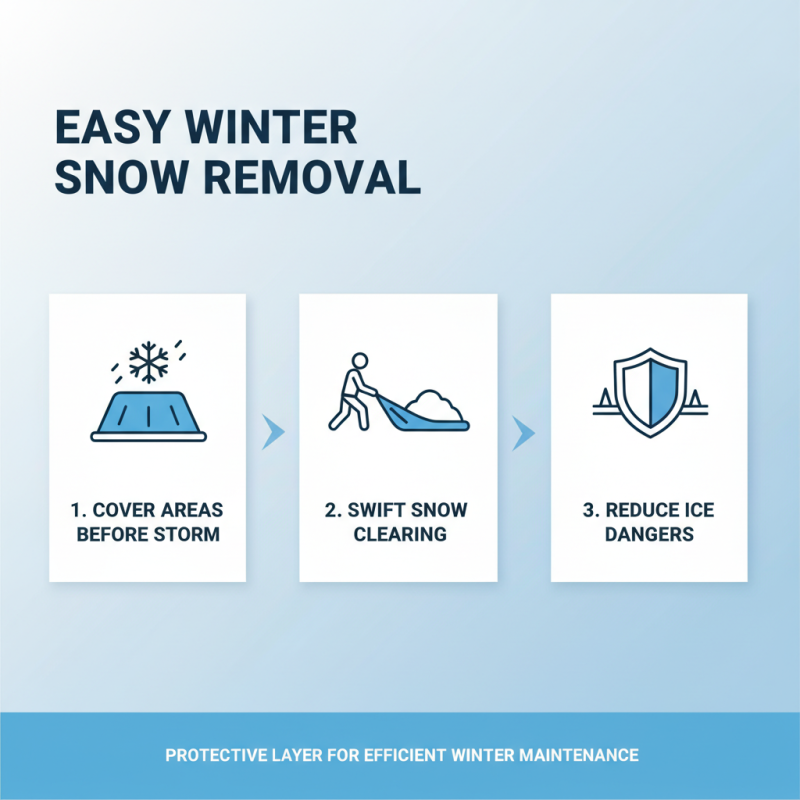
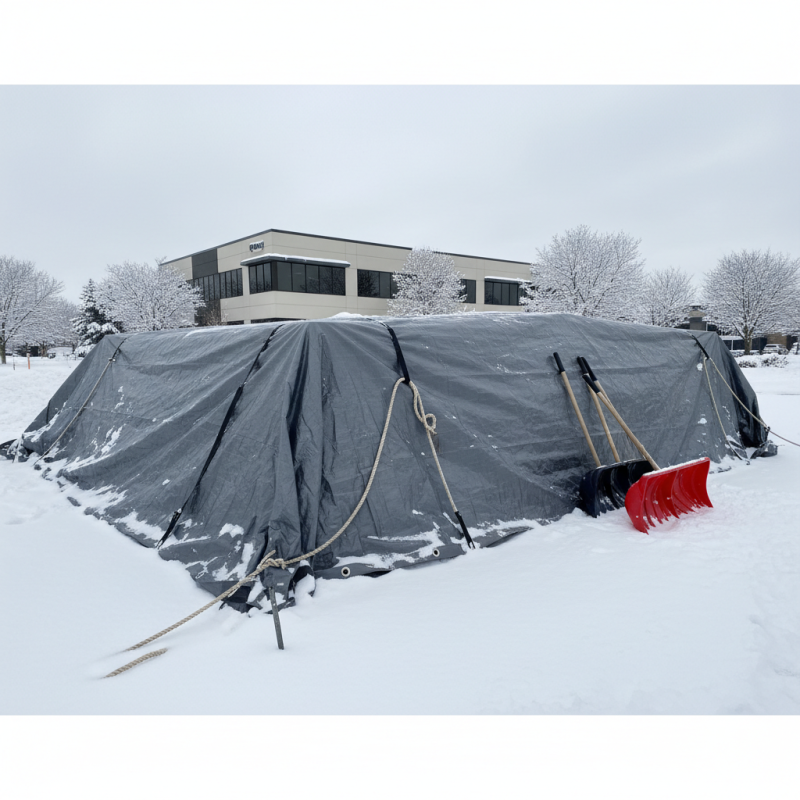
Snow removal tarps play a crucial role in winter maintenance. They are designed to make snow removal easier and more efficient. By covering areas with tarps, you can swiftly clear snow when a storm hits. The tarps provide a protective layer against the elements, helping to minimize the dangers of icy surfaces.
Using snow removal tarps has its challenges. For example, securing the tarp in windy conditions can be tricky. It may slip or move out of position, causing more work. It's important to choose materials that are durable and can withstand harsh weather. Reflective edges can help with visibility during snowstorms.
Despite their advantages, not all tarps perform well in heavy snowfall. Some may tear or get weighed down, making them ineffective. It's essential to regularly inspect your tarp for signs of wear. This will ensure that your winter maintenance remains efficient and effective.
Key Features to Look for in High-Quality Snow Removal Tarps
When choosing snow removal tarps, it’s essential to focus on key features. A sturdy material is crucial. Look for tarps made from heavy-duty polyethylene or reinforced vinyl. These materials withstand harsh weather conditions. They resist tearing and ensure durability through multiple seasons. A good tarp should also be UV resistant. This protects against sun damage over time.
Another important aspect is size and coverage. Ensure the tarp is large enough to cover the intended area. A tarp that’s too small may leave areas exposed. Additionally, consider the weight. Heavy tarps are more challenging to maneuver but offer greater stability against wind. Lighter options are easier to handle, yet can be less reliable in strong winds.
Pay attention to design elements as well. Grommets are essential for anchoring. Look for tarps with reinforced grommets to prevent ripping. Some designs include additional straps or weights. These features can enhance stability during use. However, it’s crucial to assess if they suit your needs. Sometimes, extra features make a tarp more complex. Reflect on what you truly require to simplify your snow removal tasks.
Top Brands and Models of Snow Removal Tarps for 2026
When looking for snow removal tarps in 2026, numerous brands stand out. Each brand offers various models designed for users' specific needs. Choosing the right tarp is crucial for effectiveness and durability. Industry reports indicate that high-quality tarps can withstand temperatures as low as -20°F, providing reliable service in harsh winters.
Many models feature reinforced edges for added strength. Features like UV resistance are also common. A study found that almost 70% of users prefer tarps that are easy to handle. This begs the question: Are manufacturers meeting user needs? Some models, while sturdy, lack portability. This could lead to user frustration during heavy snowfalls.
Cost efficiency is another aspect to consider. Reports suggest that investing in a slightly pricier tarp can save money in the long term. However, not all users can afford premium options. Finding a balance between cost and quality remains a significant challenge. Always assess your local winter conditions before making a choice.
Best Practices for Using and Storing Snow Removal Tarps
When using snow removal tarps, proper techniques are crucial. Lay the tarp flat on the ground to catch snow efficiently. Overlap edges to contain the snow and avoid spills. Ensure the material is durable yet lightweight for easy handling. Always check for rips before use, as small tears can lead to larger problems later.
Storing tarps is just as important. Fold them neatly to avoid creases and potential damage. Keep them in a dry place to prevent mold growth. Avoid placing heavy items on top, as this can lead to deformation. It's wise to inspect them occasionally for wear and tear. Proper maintenance extends their lifespan significantly and saves you money in the long run.
Cost Considerations and Budgeting for Snow Removal Tarps
When budgeting for snow removal tarps, costs can vary significantly. Basic tarps may start at a low price. However, heavy-duty options typically cost more. The material and size play a huge role in pricing. Investing in durable materials can save money in the long run. Cheaper options might tear easily, leading to replacement costs.
Consider storage and maintenance expenses too. High-quality tarps need less upkeep, while cheaper ones wear out faster. You might end up spending more over time. Always factor in these variables when planning your budget. Additionally, don’t forget to assess your specific snow removal needs.
It's easy to get lost in choosing the best options. Sometimes a less expensive tarp seems appealing. But does it meet your needs? Reflecting on your choices can lead to better decisions. Be aware that a hasty purchase could lead to regret later, especially during heavy snowfalls. This requires careful thought and a clear understanding of your budget constraints.