How to Choose the Best Utility Trailer Cover for Your Needs?
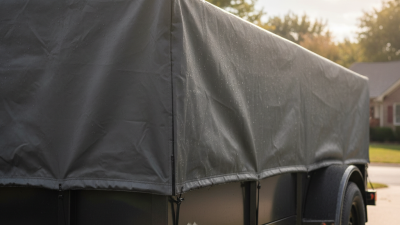
Choosing the right Utility Trailer Cover can significantly impact your trailer's longevity and performance. A high-quality cover protects your trailer from harsh weather conditions, dirt, and UV rays. However, with so many options available, selecting the right one can feel overwhelming.
Consider the materials used. A durable, waterproof fabric will offer better protection than cheap alternatives. Look for features like reinforced seams and straps, as they can enhance the cover's lifespan. Additionally, think about the size and shape of your trailer. A well-fitted cover will stay secure and reduce wear.
Remember, not every cover will meet your specific needs. It’s crucial to assess your usage patterns and storage environment. Reflect on factors like climate and frequency of use. Taking the time to research and choose thoughtfully will ensure your Utility Trailer Cover offers the best protection for your investment.
Understanding Different Types of Utility Trailer Covers Available
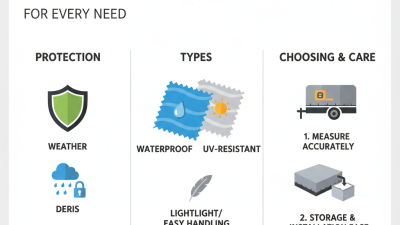
When selecting a utility trailer cover, it’s vital to understand the types available. Covers differ in materials, designs, and functionalities. The most common options include fabric covers, hard-shell covers, and waterproof tarps. Fabric covers are lightweight and easy to handle. However, they might not offer the best durability against harsh weather.
Hard-shell covers provide excellent protection and can withstand heavy rain or snow. Still, they may be heavy and more challenging to install. Waterproof tarps are versatile and often budget-friendly. Yet, they may wear out faster than other options. Consider your local climate and how often you use your trailer. Not all covers fit every trailer, so careful measurements are necessary.
Many users overlook the importance of UV protection. This could lead to fading or damage caused by sun exposure. A cover that seems perfect in terms of size may not be the best for long-term use. Always check for warranties that might reflect reliability and quality. Frequent use of your trailer may require a durable option. Balance your needs with what you’re willing to spend.
How to Choose the Best Utility Trailer Cover for Your Needs?
| Cover Type |
Material |
Water Resistance |
UV Protection |
Fit Type |
Price Range |
| Universal Fit |
Polyester |
Yes |
Yes |
Universal |
$50 - $100 |
| Custom Fit |
Vinyl |
Yes |
Yes |
Custom |
$100 - $200 |
| Heavy Duty |
Polypropylene |
Yes |
Yes |
Heavy Duty |
$150 - $300 |
| Lightweight |
Nylon |
No |
Limited |
Universal |
$30 - $60 |
Factors to Consider When Choosing a Utility Trailer Cover
When selecting a utility trailer cover, consider material durability. A high-quality fabric can withstand harsh weather. Look for water-resistant options to protect your cargo from rain or snow. UV-resistant materials are essential if your trailer will be exposed to sunlight for long periods. These factors enhance the cover's lifespan and reliability.
Next, think about the cover's fit. A snug fit prevents flapping and reduces wear. Measure your trailer carefully. This ensures you choose a cover that offers maximum protection. Adjustable features can help achieve better fitment. Keep in mind, if the cover is too loose, it may lead to damage from wind.
Lastly, weigh the ease of use. Some covers are easier to put on and take off than others. Consider whether you need a cover that is easy to fold and store. The installation process should not be a hassle. Reflect on your specific needs. This will guide you in making the best choice.
Factors to Consider When Choosing a Utility Trailer Cover
Measuring Your Utility Trailer for the Perfect Fit
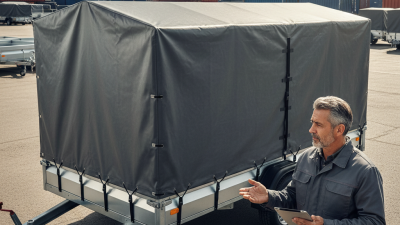
Measuring your utility trailer correctly is essential for finding the best cover. Begin by measuring the length, width, and height of your trailer. Use a tape measure to get accurate numbers. It’s a simple step, yet many skip it. Signs of a poorly fitted cover could cost you later.
When measuring, consider the trailer’s features. Fenders, lights, and any attachments may affect the fit. Include these elements in your measurements. A wrong size can lead to wear and tear, exposing your trailer to the elements. Take note of the shape as well; a flat cover may not work well with a rounded trailer.
Lastly, remember to check the manufacturer’s specifications for covers. Some covers may not fit every shape perfectly. If you find yourself confused, seek guidance from experts online. Community forums can offer valuable insights. Even seasoned trailer owners sometimes struggle with proper measurements. It’s an area where reflection can lead to better choices in the future.
Material Options for Utility Trailer Covers: Pros and Cons
When selecting the best material for your utility trailer cover, consider the pros and cons of each option. Heavy-duty canvas is popular due to its strength. It provides excellent protection against rain and UV rays. However, it can be heavy and may mold if not properly dried.
Vinyl is another common choice. It is waterproof and easy to clean. Vinyl covers are durable but can become brittle over time. If you live in a colder climate, this might not be the best option.
Tips: Always check the thickness of the material. Thicker covers often offer better protection. Ensure you have proper ventilation to prevent mold growth. Finally, consider your storage conditions. If you park your trailer outside, a more robust cover may be necessary.
Maintenance Tips for Prolonging the Life of Your Trailer Cover
Maintaining your utility trailer cover is essential for its longevity. A well-maintained cover can last years longer than one that is neglected. Sunlight, rain, and debris can all take a toll. Regular upkeep will keep it in good shape.
One practical tip is to clean the cover regularly. Use mild soap and water to remove dirt and grime. Avoid harsh chemicals that might damage the material. Rinse thoroughly to prevent residue buildup. After cleaning, ensure the cover is completely dry before storing it to prevent mold and mildew.
Another important step is to inspect the cover for any damage. Check for tears, fraying, or worn areas. Address small issues before they become major problems. Applying a UV protectant can help shield the material from sun damage. Storing the cover properly during off-seasons also helps maintain its integrity. Keep it in a cool, dry place to avoid unnecessary wear and tear.