Top Tips for Choosing Heavy Duty Truck Tarps for Your Needs?
When it comes to protecting loads on heavy-duty trucks, choosing the right tarp is crucial. Expert James Lawson, a veteran in the tarp industry, states, "A quality Heavy Duty Truck Tarp can make all the difference in safe transportation." Tarps are not just coverings; they shield valuable cargo from weather and debris.
Selecting the proper Heavy Duty Truck Tarp involves understanding your specific needs. Consider factors like material strength, size, and ease of use. Many options may seem overwhelming. It’s essential to evaluate your requirements clearly. A poorly chosen tarp might tear under stress, leading to losses.
While many options look appealing, not all meet industry standards. Always focus on reliable brands with proven track records. Consider the long-term performance over short-term savings. Investing in a quality tarp saves money and ensures cargo safety.
Understanding the Types of Heavy Duty Truck Tarps Available in the Market
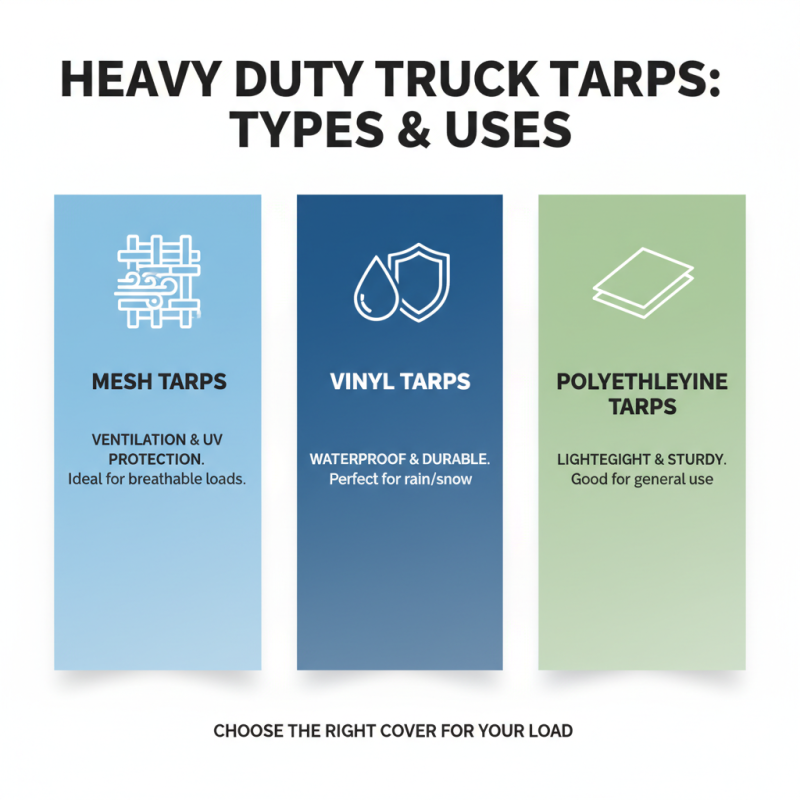
When selecting heavy-duty truck tarps, understanding the various types available is crucial. Common options include mesh tarps, vinyl tarps, and polyethylene tarps. Each type serves different purposes and environments. Mesh tarps are great for covering loads that require ventilation. They allow airflow while providing UV protection. Vinyl tarps offer excellent water resistance and durability, making them ideal for heavy rain or snow. Polyethylene tarps are lightweight yet sturdy, perfect for general-purpose use.
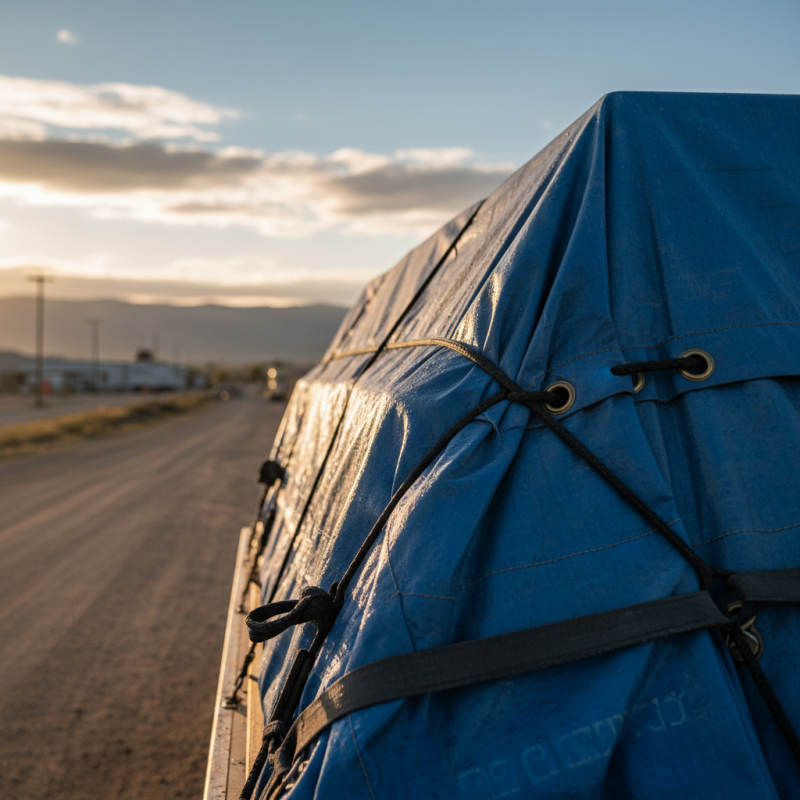
Consider your specific needs when choosing a tarp. Heavy-duty truck tarps vary in weight, size, and strength. Think about the load type you will carry. It's essential to assess the weather conditions you'll encounter. For example, vinyl is preferable for wet climates. Also, check the tarps’ grommet placements for secure tie-down options. These small details can impact how well the tarp performs.
Make sure to evaluate the tarp's quality. Look for reinforced edges and heavy-duty stitching to ensure longevity. Do not overlook the importance of proper storage. Poor maintenance can lead to quick deterioration. In the end, selecting the right tarp can avoid costly damages to your cargo.
Key Material Considerations for Durability and Weather Resistance
When selecting heavy-duty truck tarps, material choice is essential for durability and weather resistance. Many options are available, but not all offer the same level of protection. A high-quality tarp should resist tears, punctures, and UV damage. Look for materials like PVC and woven polyethylene. These are known for their strength and longevity.
Water resistance is crucial, especially during heavy rains. Consider tarps with a waterproof coating to keep your cargo dry. Reinforced edges and grommets can enhance durability, preventing wear over time. However, finding the right balance between weight and strength can be a challenge. Heavier materials provide better protection, but they can be cumbersome.
Reflect on your specific needs. If you often transport delicate items, heavy-duty tarps with padding could be beneficial. Conversely, a lighter tarp may suffice for tougher, bulkier loads. Don't overlook the importance of fit; an oversized tarp can flap in the wind, potentially causing damage. Choosing the correct material and design could prevent costly mishaps in the long run.
Top Tips for Choosing Heavy Duty Truck Tarps for Your Needs
This chart illustrates the key considerations for selecting heavy duty truck tarps, highlighting material type, weight capacity, weather resistance, and UV resistance. The scores represent an evaluation of each aspect's importance in achieving durability and efficiency.
Assessing the Importance of Size and Fit for Your Truck Load
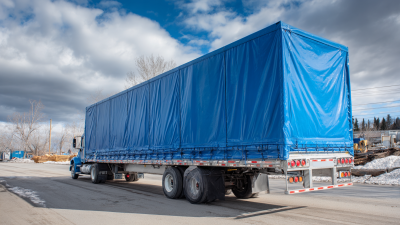
When selecting heavy-duty truck tarps, the size and fit play a critical role in securing your load effectively. According to industry reports, approximately 25% of cargo damage occurs due to inadequate coverage. A proper tarp ensures complete protection against weather elements and road debris. An incorrectly sized tarp can lead to exposure, risking the integrity of the transported goods.
Measuring your truck's load is the first step. Ensure the tarp extends adequately over the cargo. Ideally, there should be at least 12 inches of overhang on all sides. Additionally, consider the tarp’s material and weight capacity. For example, a tarp with a denier rating of 1000 and above offers superior durability. However, heavier tarps may be cumbersome to handle and require more effort in securing.
Regular assessments of the tarp's condition are necessary to avoid unexpected failures. Small tears or wear can compromise its efficiency. Trucking professionals should reflect on their tarp usage periodically. Addressing wear and tear early can save costs in the long run and ensure safer transport. The balance between toughness and manageability remains a vital consideration for every trucking operation.
Top Tips for Choosing Heavy Duty Truck Tarps for Your Needs
| Dimension (Feet) |
Material |
Weight (lbs) |
Weather Resistance |
Price Range (USD) |
| 8 x 10 |
Polyester |
30 |
Waterproof |
$50 - $70 |
| 9 x 12 |
Vinyl |
40 |
UV Resistant |
$70 - $90 |
| 10 x 15 |
Canvas |
50 |
Waterproof & UV Resistant |
$90 - $110 |
| 12 x 20 |
Heavy-Duty Polyethylene |
60 |
All-Weather |
$110 - $140 |
| 14 x 24 |
Reinforced PVC |
70 |
Heavy Rain & Wind |
$140 - $180 |
Analyzing Cost vs. Quality: Making an Informed Purchase Decision
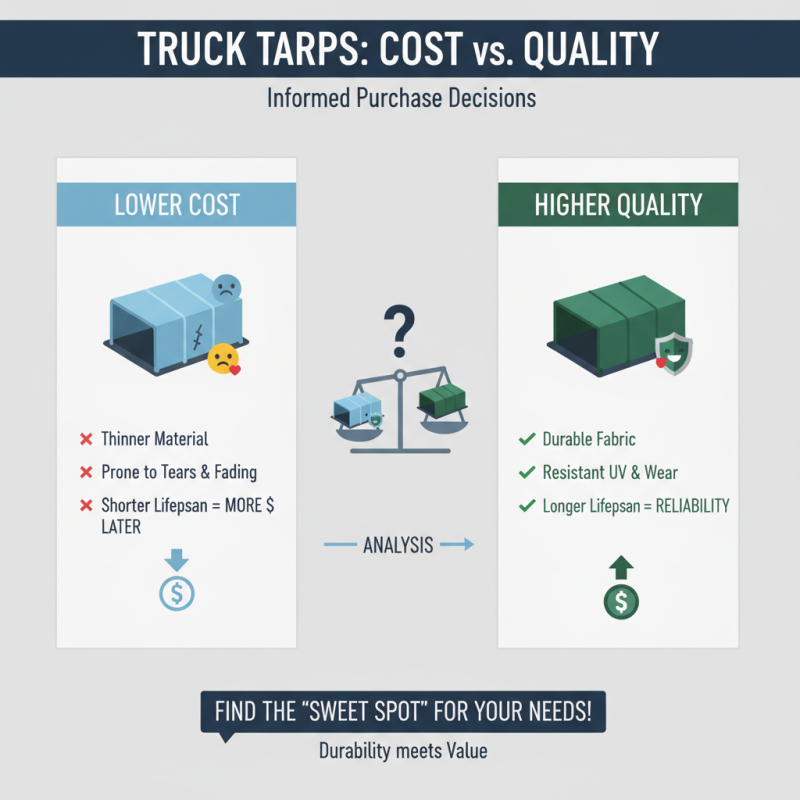
When selecting heavy-duty truck tarps, cost and quality hang in balance. The right choice needs thoughtful analysis. Cheaper options often compromise durability. They may tear or fade quickly, which can lead to greater expenses in the long run. While luxury tarps promise high quality, they might not always be necessary.
Look for materials such as polyester or vinyl that offer a good balance of strength and affordability. A tarp that resists UV rays and moisture is a smart investment. Evaluate the tarp's weave density; tighter weaves enhance strength.
Think about your specific needs. If you transport goods under various weather conditions, prioritize waterproof features. Always consider the tarp's application before making your choice. It’s crucial to analyze how often you will use it and in what circumstances. Ultimately, it’s about finding the right fit for your requirements, ensuring you don’t overspend on unnecessary features while preserving reliability and performance.
Evaluating Additional Features for Enhanced Protection and Usability
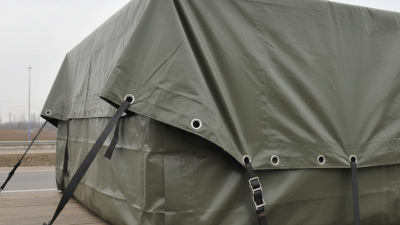
When choosing heavy-duty truck tarps, considering additional features can significantly enhance their usability and protection. Look for tarps with reinforced corners. This design prevents wear and tear over time. Eyelets that are strategically placed will also improve secure fastening. A well-placed eyelet enables easy attachment, preventing flapping during transport.
Be mindful of the material as well. Heavy-duty polyethylene or vinyl options offer better resistance to harsh weather. UV protection ensures that the tarp will not degrade under sunlight. A tarp with double stitching can reduce the risk of tearing at seams.
Also, examine the weight of the tarp. Lighter materials are easy to handle but may lack durability. Understand your specific needs to find a balance. It's crucial to reflect on how the tarp will be used. If your cargo requires maximum coverage, prioritize features like elastic hems or tarp covers. Each consideration impacts the overall effectiveness of the tarp in real-world scenarios.