How to Choose the Right Heavy Duty Truck Tarp for Your Needs?
Choosing the right Heavy Duty Truck Tarp can significantly impact your cargo protection. Whether you're transporting lumber, machinery, or asphalt, a durable tarp is crucial. These tarps come in various materials, sizes, and strengths, making the selection process daunting.
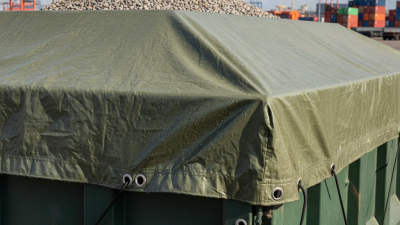
When selecting a Heavy Duty Truck Tarp, consider its material and thickness. A tarp made from high-quality polyethylene offers waterproof qualities. For added durability, look for reinforced edges and grommets. These features can enhance its lifespan under tough conditions.
Reflect on your specific needs. What are you hauling, and what weather conditions do you face? Sometimes, what seems like a good choice may not meet all your demands. Investing in a Heavy Duty Truck Tarp requires careful thought and consideration to ensure reliability on the road.
Understanding the Importance of Heavy Duty Truck Tarps in Transportation
Heavy-duty truck tarps are crucial in the transportation industry. These tarps protect cargo from the elements, including rain, snow, and sun. Without proper coverage, products can become damaged. This leads to losses for drivers and companies alike. According to a study by the American Trucking Associations, cargo damage is a significant contributor to revenue loss, accounting for nearly 30% of insurance claims.
Choosing the right tarp is not just about size. Material quality and durability matter significantly too. Heavy-duty tarps often use high-denier fabrics. These fabrics resist tears and abrasions effectively. A report by the Freight Transportation Research Group found that higher-quality tarps can reduce cargo damage incidents by up to 50%. However, some may overlook the importance of proper maintenance, which can impact longevity.
Not all tarps are created equal. Some may fade quickly under UV exposure, while others remain intact. Drivers should regularly inspect for wear and tear. This responsibility is crucial for maintaining cargo safety. A tarp that fails during transit can result in delays and potential fines. It's a reminder that investing in reliable equipment pays off in the long run.
How to Choose the Right Heavy Duty Truck Tarp for Your Needs?
| Tarp Type |
Material |
Weight Capacity |
Weather Resistance |
Common Uses |
| Polyester Tarp |
Polyester |
Up to 8,000 lbs |
UV, Water |
Construction, Waste Transport |
| PVC Tarp |
PVC Coated Fabric |
Up to 10,000 lbs |
UV, Water, Mildew |
Freight, Cargo Cover |
| Canvas Tarp |
Cotton Canvas |
Up to 5,000 lbs |
Water, Wind |
Agriculture, Lumber Transport |
| Mesh Tarp |
Polyethylene |
Variable |
UV, Ventilated |
Debris Control, Construction |
Identifying Key Factors: Material Types and Durability Ratings for Tarps
When selecting a heavy-duty truck tarp, understanding material types and durability ratings is crucial. Most tarps are made from three primary materials: polyethylene, PVC, and canvas. Polyethylene is lightweight and water-resistant, ideal for short-term use. PVC offers superior strength and UV resistance. Canvas, although heavier, is very durable and breathable, suitable for long-term applications.
Durability ratings usually range from 10 to 30 ounces per square yard. A tarp rated at 30 oz offers better tear resistance and longevity. According to a 2022 industry report, tarps with a 20 oz rating can withstand winds of up to 60 mph, while heavier options resist harsher conditions. This information can aid in making informed choices based on your specific needs.
Tips: Consider how often you will use the tarp. For frequent use, invest in a higher-rated product. Be mindful of potential wear and tear, especially on edges and grommets. Regularly check for damage to prevent failures during crucial transport moments. Reflect on your unique needs to determine the ideal material for your tarp. Each type comes with its strengths and weaknesses, influencing your decision.
Evaluating Size and Fit for Heavy Duty Tarps Based on Load Specifications
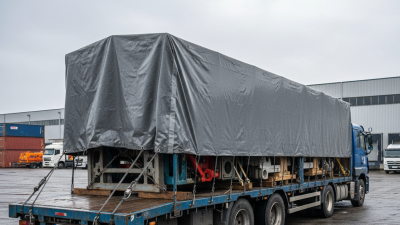
Choosing the right heavy-duty truck tarp hinges on size and fit.
Proper sizing ensures your tarp can adequately cover the load while offering protection.
According to industry reports, tarps should extend at least one foot beyond the load’s edges.
This prevents exposure to the elements and enhances safety during transport.
A tarp that is too small may not provide adequate coverage, risking damage or shifting of the load.
Evaluating load specifications is crucial.
For instance, a standard load width often varies between 8 to 10 feet for flatbed trucks.
In contrast, the height and length depend on the type of cargo.
Accurate measurements prevent issues like overhanging materials or insufficient coverage.
Reports indicate that approximately 20% of load-related accidents stem from inadequate tarp fit.
Hence, it’s essential to assess both the size of the tarp and the load dimensions before making a decision.
Understanding the tarp's material and weight capacity adds another layer of complexity.
Heavier loads require sturdier materials capable of withstanding stress.
Not all materials are created equal; some may rip or wear down quickly. This inconsistency can lead to costly mistakes.
Awareness of industry standards regarding tarp durability can guide your choice. A well-chosen tarp, correctly sized, minimizes potential risks in transport logistics.
Comparing Cost vs. Performance: Choosing the Right Tarp for Your Budget
Choosing the right heavy-duty truck tarp involves balancing cost and performance. It's essential to evaluate what you genuinely need. A high-quality tarp often comes with a higher price tag, but this might result in greater longevity and durability. For example, a tarp made from robust materials may withstand harsh weather, preventing cargo damage. The trade-off is that cheaper options could lead to more frequent replacements, ultimately costing more.
Additionally, think about the tarp's intended use. A tarp for transporting goods may require different features than one used for construction. Sometimes, the most affordable choice doesn't offer the best protection. It’s vital to reflect on how often you will use the tarp. Frequent use might justify investing more initially. Reflect on how much downtime losses could stack up if you choose a lower-quality product.
Investing in a reliable tarp is not always straightforward. Consider user reviews and expert opinions, but also remember that experiences can vary widely. Not all reviews will match your specific situation. Make your decision based on a mix of research, needs, and practical experience.
Examining Industry Standards and Safety Regulations for Truck Tarps
When selecting a heavy-duty truck tarp, it’s essential to consider safety regulations and industry standards. The American Trucking Association emphasizes that compliance with these standards is not just a recommendation; it’s a necessity for safe transport. According to a 2022 report by the National Safety Council, improper tarp usage leads to 25% of cargo-related accidents. Understanding these regulations can prevent risks and ensure the safety of cargo.
Material quality is another critical aspect. Heavy-duty tarps are often made from polyester or polyethylene. The ASTM International outlines testing standards that these materials must meet, including tear resistance and weather durability. In fact, high-quality tarps should withstand winds of at least 45 mph without compromising load security. However, even the best tarps can fail if poorly installed or maintained. Periodic inspection and mindful use can significantly extend a tarp’s lifespan.
Certification marks from recognized authorities like the Occupational Safety and Health Administration (OSHA) provide significant reassurance. But what if your tarp lacks these marks? It could indicate a potential risk. Be cautious: not every tarp meets basic safety requirements. Always refer to compliance documentation and ensure that your tarp is fit for the specific demands of your load and route. Unrecognized products can be tempting, but they often lack reliability and could endanger both people and cargo.
Heavy Duty Truck Tarp Material Comparison
This chart compares the durability of various heavy duty truck tarp materials based on industry standards. Durability ratings range from 1 to 10, with higher ratings indicating better performance in harsh conditions.