What Is a Polyethylene Lumber Tarp Used For?

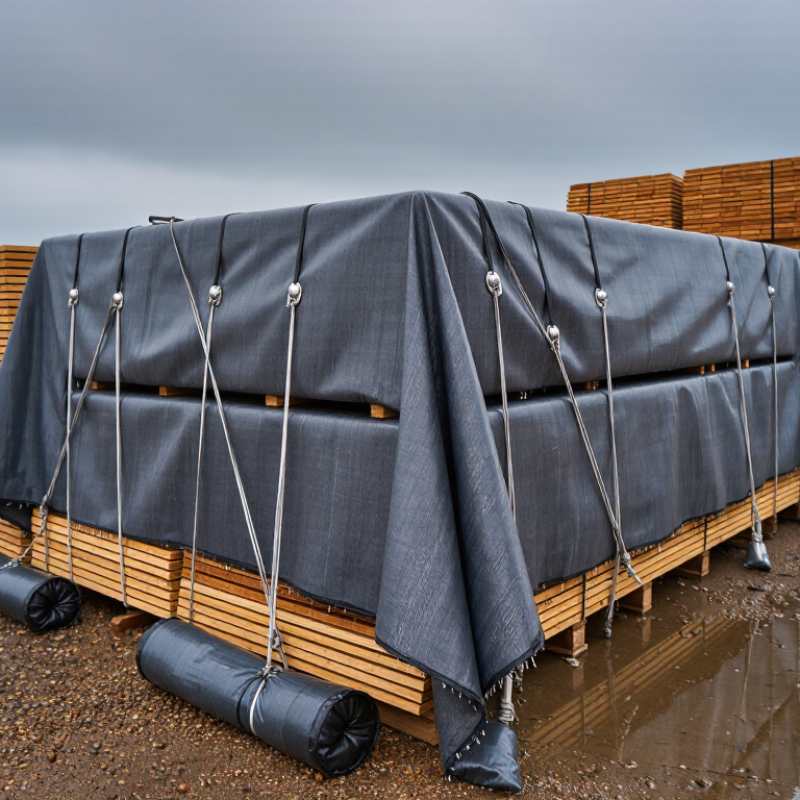
A Polyethylene Lumber Tarp protects stacked boards during transport, storage, and temporary outdoor work. Its coated polyethylene fabric resists rain, road spray, dirt, and sunlight. Reinforced corners and grommets help secure the cover over uneven lumber loads. The tarp also reduces surface staining when boards sit beneath changing weather. Small details matter.

The global tarpaulin market was valued at approximately USD 8.6 billion in 2023, according to Grand View Research’s Tarpaulin Market Size, Share & Trends Analysis Report. The report also identifies polyethylene as a widely used material because of its low weight, water resistance, and cost efficiency. Freedonia’s World Tarps study similarly links demand to construction, transportation, agriculture, and industrial storage. These reports examine tarps broadly, not every Polyethylene Lumber Tarp specification. That limitation deserves attention.

Materials engineer Dr. Robert M. Koerner offers a useful perspective: “Durability is not a single property; it is a system performance question.” The statement fits lumber covering precisely. Fabric strength alone cannot prevent damage. Correct sizing, load tension, drainage, ventilation, and tie-down placement all influence performance. A tarp pulled tightly across sharp board edges may still tear. A loose tarp can flap, trap moisture, and abrade the wood. In practical use, inspect the cover before loading, pad rough corners, and leave controlled airflow where storage conditions allow. This guide explains what a Polyethylene Lumber Tarp is used for, where it performs well, and where its limits become important. No tarp is magic.
What Is a Polyethylene Lumber Tarp Used For?

What Is a Polyethylene Lumber Tarp?

A polyethylene lumber tarp is a heavy-duty cover made from woven polyethylene fabric. Its surface is usually laminated or coated, creating a water-resistant barrier for exposed lumber loads. Reinforced hems, stitched seams, and metal or polymer D-rings help the tarp resist pulling during transport. It is not a net. The tarp protects the load, while separate tie-down equipment holds the load in place.

Polyethylene is widely used because it is lightweight, flexible, and resistant to moisture. PlasticsEurope reported global plastics production of about 400.3 million tonnes in 2022, showing the material’s large industrial scale. However, material quality varies greatly. A thin household sheet may tear around a sharp board corner within minutes. A commercial lumber tarp normally uses heavier fabric, reinforced edges, and UV-resistant treatment for repeated outdoor exposure.

In practical use, the tarp covers stacked boards, panels, and other long building materials. Its flaps can extend over the sides and ends, reducing water entry and limiting road dust. Proper tension matters. Loose fabric can flap, abrade, and fatigue the seams. Tightening it too aggressively can damage eyelets or cut into the cargo.

ASTM D751 provides recognized test methods for coated fabrics, including strength and seam performance. Still, testing does not remove the need for inspection. Small tears grow quickly. Wet wood can also create unexpected weight and movement. That detail is easy to overlook.
How Is a Polyethylene Lumber Tarp Designed?

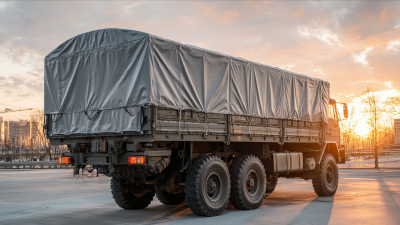
A polyethylene lumber tarp is designed around long, uneven cargo. Its main sheet usually combines woven polyethylene scrim with laminated polyethylene film. This structure resists rain, road spray, and moderate abrasion while remaining lighter than many coated fabric alternatives. A typical lumber tarp includes front and rear drop flaps. These flaps cover exposed board ends, where wind and water enter first.

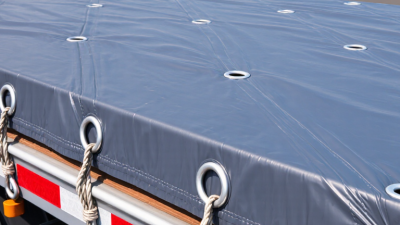
The design depends on reinforcement. Heat-sealed seams, reinforced hems, and closely spaced D-rings help distribute tension across the tarp. Some models use multiple rows of attachment points, allowing better adjustment over changing load heights. UV stabilizers slow sunlight damage, but they do not make the material permanent. ASTM D751 provides test methods for coated fabrics, while ASTM G154 evaluates accelerated ultraviolet exposure. These standards guide testing, not guaranteed field life.

Cargo restraint also shapes the design. Federal Motor Carrier Safety Administration guidance requires securement systems to resist forces equal to 0.8 g forward and 0.5 g rearward and laterally. The tarp does not replace tie-downs; it protects the load and supports safer containment. In field use, a poorly placed flap can collect water and strain the seams. That detail is easy to miss. According to transportation safety analyses, shifting cargo remains a serious risk, so operators should inspect hooks, rings, hems, and contact points before every trip.

What Are the Main Uses of a Polyethylene Lumber Tarp?

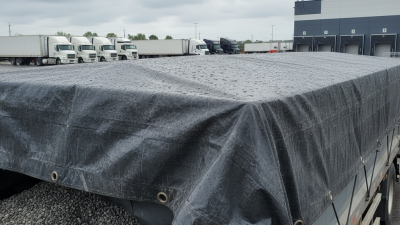
A polyethylene lumber tarp is mainly used to protect stacked wood during transport and outdoor storage. Its waterproof surface helps keep rain, snow, and road spray away from boards. This matters when lumber travels on an open flatbed trailer. Wet wood can arrive stained, swollen, or difficult to handle.

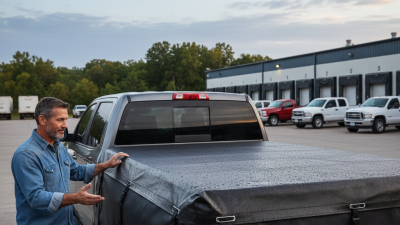
The tarp also shields lumber from strong sunlight and airborne dust. At a construction site, workers can cover unused boards overnight or during unexpected weather. Reinforced edges, sturdy fastening points, and suitable straps help keep the cover in place. The tarp should extend over the load without dragging across the road. Loose material can flap, collect water, or damage the wood beneath it.

A polyethylene lumber tarp is useful for covering roof trusses, plywood bundles, framing timber, and other long loads. It can also separate clean lumber from muddy ground when placed beneath a stack. However, it is not a replacement for proper load securement. Tie-downs must still support the cargo according to site procedures and applicable transport requirements. Ventilation deserves attention too. A tightly sealed tarp may trap moisture under warm conditions. That can encourage mold or surface discoloration. It sounds simple, but weather changes quickly. Inspect the cover after loading, check for tears, and remove standing water when necessary. A small gap can become a serious problem.

What Is a Polyethylene Lumber Tarp Used For? – Main Uses of a Polyethylene Lumber Tarp

Main Use What It Protects Useful Tarp Features Recommended Coverage Important Considerations
Hauling lumber on flatbed trailers Boards, beams, plywood, engineered wood, and bundled building materials Durable woven polyethylene, reinforced edges, strong grommets, and side or end flaps The tarp should cover the top, sides, and ends of the load with enough material for secure fastening It must be secured tightly so wind cannot lift the tarp or expose the cargo
Protection during rain and snow Moisture-sensitive wood products and finished lumber surfaces Water-resistant polyethylene coating, overlapping flaps, and a smooth top that sheds water Extend the tarp beyond exposed cargo edges, while avoiding low pockets where water can collect A tarp reduces water exposure but does not replace proper ventilation or moisture control
Temporary outdoor storage Lumber stacks, pallets, construction supplies, and outdoor materials UV-resistant fabric, reinforced corners, perimeter rope, and evenly spaced tie-down points Cover the stack while leaving airflow at the lower sides whenever practical Keep the tarp away from sharp corners and support it so snow or standing water does not overload the fabric
Dust and debris control Clean lumber surfaces during loading, transit, renovation, or construction work Full-load coverage, flexible fabric, and secure tie-down points that limit movement Use enough overlap to prevent gaps between the tarp and the cargo The tarp should be cleaned and dried before storage to prevent trapped dirt and mildew
Wind protection during transport Lightweight wood packages and exposed cargo on open trailers Heavy-duty woven construction, reinforced hems, and multiple fastening locations Select a size that covers the load without excessive loose material Inspect all straps, ropes, and grommets before departure and during long trips
Protection from sunlight Wood color, surface condition, and materials that may degrade under prolonged UV exposure UV-treated polyethylene and opaque, tightly woven fabric Cover all exposed surfaces and close major side and end gaps UV resistance slows weathering but does not make the tarp permanent or maintenance-free
Short-term job-site covering Cut lumber, framing materials, tools, and construction components Light-to-heavy duty fabric options, reinforced corners, and easy-to-handle tie points Choose a size that allows complete coverage without dragging on the ground Do not use a polyethylene tarp as a permanent roof, fall-protection device, or lifting sling
Key Selection Factors: Choose the tarp size, fabric weight, UV resistance, reinforcement, grommet spacing, and flap configuration according to the cargo dimensions, transport conditions, and expected weather exposure.

What Materials and Features Affect Its Performance?

A polyethylene lumber tarp covers timber, panels, pipes, and other bulky loads during transport or temporary storage. Its waterproof surface helps limit rain exposure, road spray, dust, and light debris. The material matters greatly. Woven polyethylene usually provides a useful balance between flexibility and tear resistance. A thicker coating can improve waterproofing, but it may also make folding and handling harder.

Look for UV stabilizers when the tarp will remain outdoors. Sunlight gradually weakens untreated plastic fibers. Reinforced corners and hems reduce damage near tie-down points. Strong D-rings or webbing attachments also help distribute pulling force across the fabric. However, hardware cannot repair poor construction. Weak stitching may fail even when the sheet itself feels heavy. Sealed seams are valuable because needle holes can become small leak paths.

Performance also depends on size and fit. A tarp should cover the load without excessive loose fabric, which can flap violently at highway speed. It still needs enough allowance for secure folding around the edges. In practical use, I have found that users often focus on thickness and overlook seam quality. That judgment can be incomplete. A lighter tarp with better reinforcement may outlast a heavier, poorly finished one. Regular inspection remains necessary. Check for brittle areas, torn hems, damaged rings, and trapped water before each use.

What Is a Polyethylene Lumber Tarp Used For? — What Materials and Features Affect Its Performance?

Polyethylene lumber tarps are used to cover and secure lumber, roof trusses, plywood, construction materials, and other loads during transportation or outdoor storage. Fabric weight is commonly expressed in ounces per square yard; heavier woven polyethylene fabric generally provides better abrasion and tear resistance, but it also increases tarp weight and handling effort.

Performance is also affected by woven polyethylene construction, waterproof coating, UV stabilizers, reinforced hems, strong grommets, and secure load fastening. UV stabilization helps slow sunlight damage, while reinforced edges and properly spaced grommets reduce stress during tie-down.

How Should a Polyethylene Lumber Tarp Be Used and Maintained?

A polyethylene lumber tarp protects stacked boards from rain, road spray, dust, and direct sunlight. Its coated fabric sheds water while allowing practical handling during loading. It is not a substitute for cargo securement. The Federal Motor Carrier Safety Administration’s Cargo Securement Handbook specifies two tiedowns for the first 10 feet of lumber, plus one additional tiedown for each extra 10 feet.

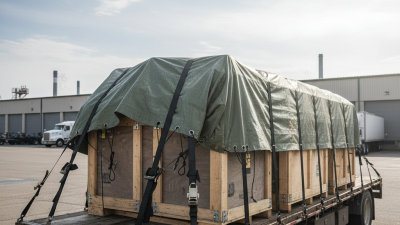
Cover the load after arranging boards evenly and removing sharp protrusions. Keep the tarp centered, with enough overhang to cover both sides without dragging. Pull it smoothly across the stack, then attach straps over reinforced areas. Do not trap loose folds under the load. They can collect water, flap against the boards, and wear through quickly. Leave modest airflow where conditions allow. Completely sealed wet lumber can retain moisture, especially during warm daytime transport.

Inspect the tarp before every trip. Look for pinholes, split seams, worn grommets, brittle coating, and frayed edges. A torn corner may look minor. It is not. Clean dirt with mild soap and water, then dry the tarp fully before folding it loosely. Avoid solvents, high heat, and sharp tools. Store it away from sunlight and chemicals. The USDA Forest Products Laboratory’s Wood Handbook explains that wood continually exchanges moisture with surrounding air, so a damp tarp should never be folded against lumber for long periods. FMCSA guidance also makes clear that the tarp protects cargo; straps, anchor points, and proper blocking provide restraint. I still see crews over-tighten straps. That can damage both tarp and boards. More tension is not always better.