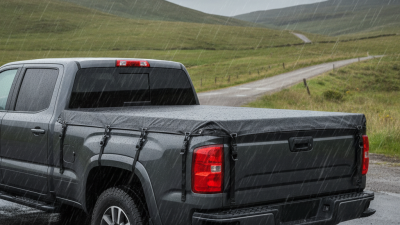
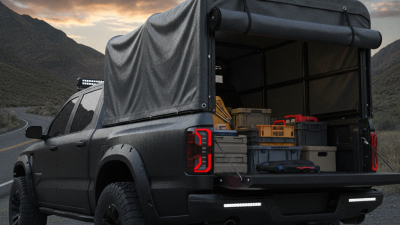
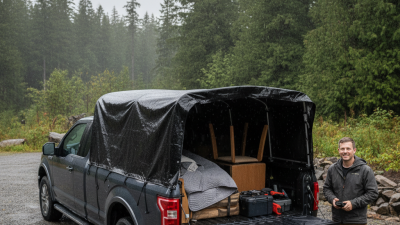
Why Choose a Waterproof Truck Tarp for Cargo Protection?

A Waterproof Truck Tarp helps shield cargo from rain, road spray, dust, and sudden weather changes. During regular hauling, exposed cartons can soften within minutes. Metal parts may develop surface rust. Even sealed loads need an additional protective barrier.

The difference is visible. A well-fitted tarp covers the load completely, while reinforced edges reduce stress around tie-down points. Strong webbing, reliable buckles, and sealed seams help maintain coverage during long trips. Experienced drivers also check the tarp before departure, especially after loading uneven cargo. Small gaps matter. Water often enters through loose corners or damaged stitching, not the center panel. The tarp should remain tight without pressing dangerously against fragile products. Proper installation is part of cargo protection, not an optional detail.

However, no tarp provides perfect protection by itself. Poor maintenance, sharp cargo edges, and excessive wind can reduce performance. This is where practical judgment becomes important. Inspect the fabric for tears, clean it after dusty journeys, and replace worn hardware promptly. Manufacturer specifications should guide size, material selection, load coverage, and safe securing methods. These details support a more dependable transport routine and help reduce avoidable damage claims. Choosing a Waterproof Truck Tarp is therefore not simply a purchase decision. It is a practical investment in cargo security, vehicle efficiency, and professional responsibility. One overlooked strap can change everything.
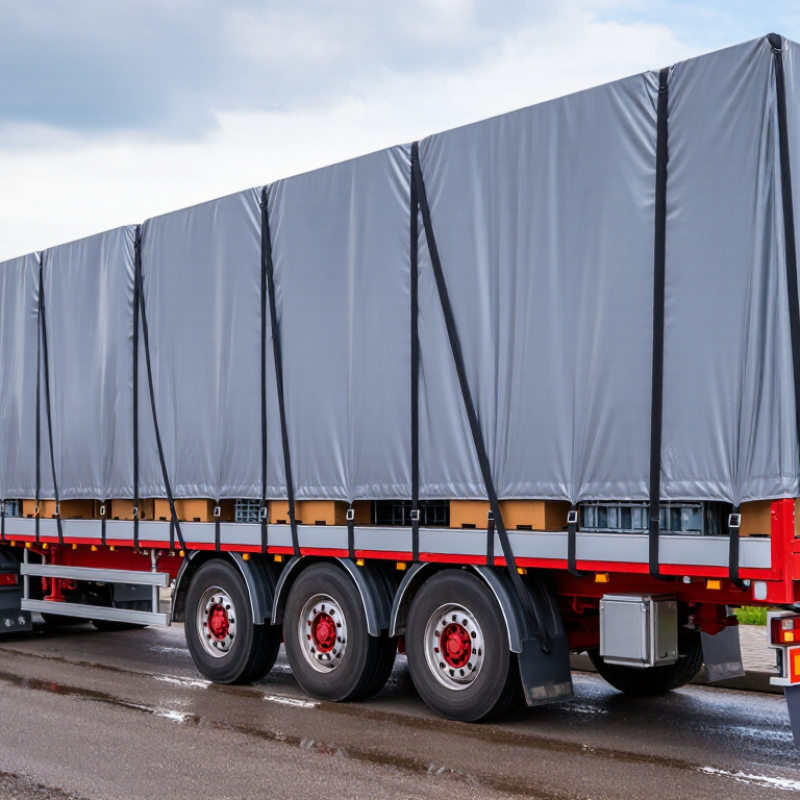
Why Choose a Waterproof Truck Tarp for Cargo Protection?

What Is a Waterproof Truck Tarp?

A waterproof truck tarp is a durable cover designed to shield cargo from rain, snow, road spray, and damp air.

It usually combines coated fabric, reinforced edges, strong webbing, and metal or polymer fastening points. The coating blocks water from passing through the material. Sealed seams matter too. An unsealed stitch line can become a hidden leak.

The tarp fits over a truck bed, trailer, or selected cargo area. Proper tension keeps water from pooling in the center. It also reduces flapping, which can slowly wear the fabric against sharp corners.

A waterproof tarp does not make careless loading safe. Wet, unstable, or poorly balanced cargo may still shift during transport. In real work, small fitting mistakes often cause bigger problems than weak fabric. That deserves attention.

Tips:

Check the tarp before every trip. Look for pinholes, cracked coating, loose straps, and damaged grommets.

Cover sharp cargo edges with padding.

Leave a slight slope so rain can drain away.

Do not stretch the material beyond its fastening points.

After use, dry it fully before storage, because trapped moisture can encourage mildew and unpleasant odors.

Choose a size that covers the load without dragging near the wheels.

A little extra coverage helps, but too much loose material can become a safety concern.

How Waterproof Truck Tarps Protect Cargo

How Waterproof Truck Tarps Protect Cargo

On open trucks, rain can reach cargo within minutes. A waterproof truck tarp creates a continuous barrier over exposed loads. Its coated fabric sheds water instead of absorbing it. Proper coverage also limits spray from passing vehicles and wet road surfaces. This protects cartons, machinery, timber, and packaged materials. Dry cargo is less likely to suffer staining, swelling, corrosion, or weakened packaging. Field experience shows that small gaps often cause the largest problems. Water follows seams, corners, and loose edges.

A reliable tarp needs more than waterproof material. Strong tension keeps rain from pooling in the center. Secure straps reduce flapping, abrasion, and wind lift during travel. Overlap points should face away from normal water flow. Sharp corners need protective pads, because rubbing can damage durable fabric. Inspect the tarp before loading and after the first short drive. Check for holes, stretched eyelets, and trapped water. It is easy to trust a tarp too much. That assumption can fail during severe weather.

Tips: Choose a tarp with enough drop to cover the load sides. Clean and dry the fabric before folding it. Never place heavy objects directly on the tarp. Use edge protection at contact points. Check strap tension at every stop. If water collects, stop and retighten the cover. A quick inspection may feel unnecessary, but it can prevent costly cargo damage.

Key Materials and Features of Truck Tarps

Choosing a waterproof truck tarp starts with its fabric, not its color. In daily hauling, PVC-coated polyester often balances water resistance, tear strength, and manageable weight. Its coated surface sheds rain while its woven base handles rubbing against crates and rails. Heavy-duty polyethylene can cost less and resist moisture well, but it may become stiff in cold weather. Canvas offers breathability, yet untreated canvas is not a dependable waterproof barrier. Material choice should match the route, cargo shape, and weather exposure. I have seen a strong tarp fail because its edges were cut too short. Small details matter.

Reliable truck tarps also need reinforced hems, rust-resistant grommets, and secure tensioning straps. Heat-welded seams usually block water more consistently than basic stitched seams. Look for evenly spaced attachment points, especially around corners and high-stress areas. A loose tarp can flap against the load for hours, causing abrasion and noise. A tight tarp protects better, but excessive tension may damage the fabric or fittings. Check the tarp before every trip. Watch for pinholes, stretched eyelets, and cracked coatings. No tarp is indestructible. Even durable materials need proper storage, cleaning, and drying before folding. That maintenance step is easy to overlook.

Choosing the Right Tarp for Different Cargo Types

A waterproof truck tarp does more than block rain; it helps keep cargo stable, clean, and ready for delivery. The right choice starts with the load, not the truck. In daily loading work, I check weight, shape, edges, and moisture sensitivity before selecting a tarp. A flat, palletized load usually suits a heavy-duty tarp with reinforced corners and strong tie-down points. Sharp metal edges still need protectors, even when the fabric feels tough.

Loose agricultural materials, boxed goods, and machinery create different coverage problems. For fine, dry materials, choose a close-fitting waterproof cover with secure seams. It should resist flapping, because movement can wear small openings into the fabric. For cartons, avoid excessive tension across corners; pressure may crush packaging during a long haul. Bulky machinery needs extra height and careful ventilation. A fully sealed tarp can trap condensation against cold metal. That detail is easy to miss. Allow controlled airflow where cargo requirements permit, while keeping rain out.

When cargo has painted or polished surfaces, use a soft inner layer before covering it. This reduces rubbing from dust and vibration. I once chose a cover by size alone. That was a mistake. An oversized tarp caught wind, sagged, and left gaps near the corners. Measure twice. Inspect the tarp after the first trip, not only before it. Look for stretched eyelets, pinholes, and worn seams. These small clues may show that the cargo needs a different tarp design next time.

Why Choose a Waterproof Truck Tarp for Cargo Protection?

Choosing the right tarp depends on the cargo’s sensitivity to rain, humidity, dust, and condensation during transport.

The chart uses a practical waterproofing-priority scale from 1 to 5. Paper products and electronics require the highest protection because moisture can cause permanent damage, while metal components and construction materials generally need moderate protection against rust, corrosion, and surface deterioration. Select a tarp with suitable waterproof fabric, secure fastening, reinforced edges, and enough coverage to prevent water pooling.

Proper Installation and Care for Long-Term Protection

A waterproof truck tarp can shield cargo from rain, road spray, dust, and sudden weather changes. However, its protection depends heavily on correct installation. In my experience, many failures begin with a loose corner or an overlooked tear.

Before installation, inspect the tarp, seams, grommets, and fastening straps. Choose a size that covers the load without excessive fabric hanging over the sides. Remove sharp edges from the cargo, or cover them with protective padding. Center the tarp carefully, then secure it from the front toward the rear. Keep the tension firm, but not drum-tight. Over-tightening can strain seams and grommets. The tarp should sit smoothly, without deep pockets where water can collect. Check the load again after the first few miles. Vibration can loosen fasteners, even when everything looked secure at the start.

Care continues after every trip. Shake off loose dirt, rinse the surface with clean water, and allow it to dry completely before folding. Trapped moisture can encourage mildew and unpleasant odors. Store the tarp in a cool, ventilated place, away from fuel, solvents, and direct sunlight. Inspect worn areas regularly, especially along edges and corners. Small damage may be repairable with a compatible patch, but weakened fabric should not be trusted for demanding loads. I once underestimated a tiny seam opening. It expanded faster than expected. That mistake reinforced a simple lesson: routine inspection is cheaper than replacing damaged cargo.