What Is the Best Horse Trailer Cover in 2026?
Choosing the best Horse Trailer Cover in 2026 requires more than comparing fabric weight or online ratings. A trailer cover faces sharp roof edges, road spray, ultraviolet exposure, wind, and repeated loading. The right choice must protect the trailer without trapping heat around the horses.
The American Horse Council Foundation’s 2023 Economic Impact Study reported 6.6 million horses and a $177 billion annual contribution from the U.S. horse industry. Those figures reflect a large, active transport market. They also underline why equipment decisions deserve practical evidence, not attractive packaging. Neva Scheve, founder of EquiSpirit Horse Trailers, states, “The horse is the most important cargo.” That principle should guide every Horse Trailer Cover evaluation.
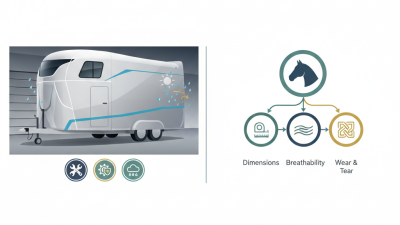
Look for solution-dyed, UV-resistant fabric, reinforced corners, breathable panels, and straps that do not flap against painted surfaces. Measure the trailer carefully. A loose cover can collect water and turn wind into abrasive movement. A tight cover may stress seams or block ventilation. Check access points, wheel clearance, zipper quality, and storage weight before buying. Small details matter.
No cover is perfect.
The U.S. Department of Agriculture’s animal-transport guidance also supports a basic priority: ventilation, secure conditions, and reduced exposure to weather extremes. However, many product pages provide limited test information. That is a weakness worth acknowledging. This guide compares construction, fit, weather resistance, usability, and long-term value, helping owners choose a Horse Trailer Cover that protects equipment while respecting equine comfort.
Horse Trailer Cover Basics and Protection Needs
What Is the Best Horse Trailer Cover in 2026?
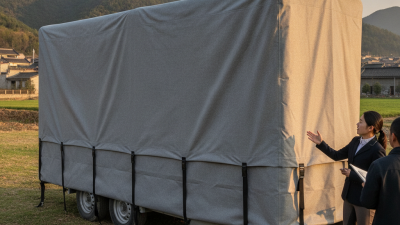
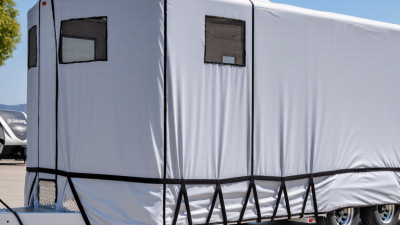
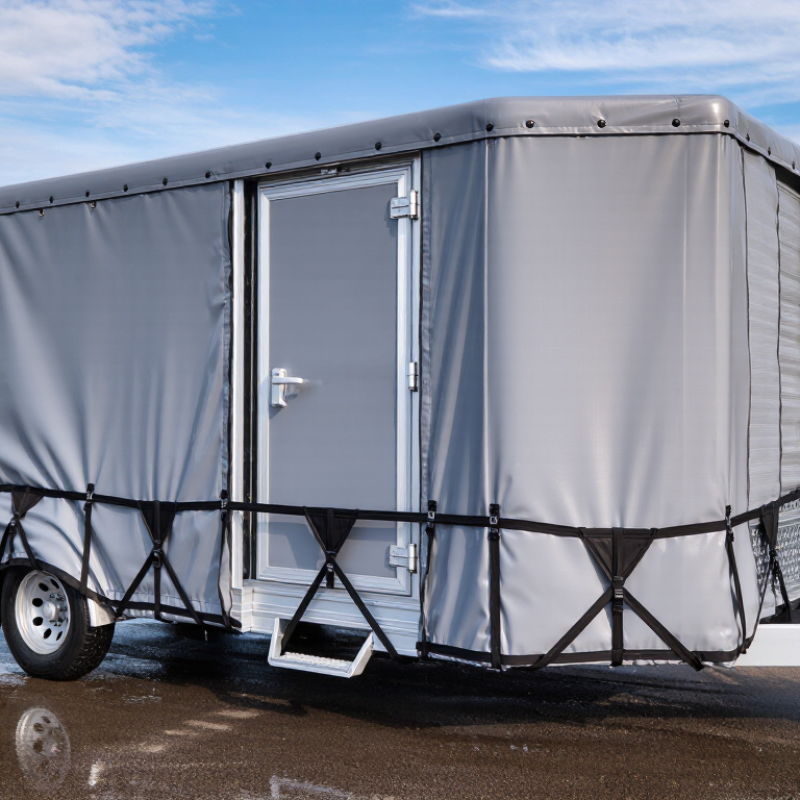
A horse trailer cover is more than a large sheet over metal. It helps reduce sun damage, rain exposure, dust buildup, and surface corrosion. The best choice begins with accurate measurements. Measure the trailer’s length, height, mirrors, spare tire, and rear equipment. Include every protruding part. A tight fit matters.
Look for breathable, water-resistant fabric with strong stitching and reinforced corners. Waterproof material alone can trap condensation beneath the cover. That moisture may encourage rust, especially around seams and lower panels. Ventilation openings help release humid air while limiting wind pressure. Soft inner surfaces also reduce scratches when the cover moves during storms.
Secure straps should hold the cover without rubbing against sharp edges. After fitting several covers, I have found that loose straps create more trouble than expected. They flap loudly and can wear through fabric. I once assumed a heavier cover was always better. It was not. Weight made handling difficult, and the cover stayed damp longer. Inspect the cover after heavy rain, strong wind, or long storage. Look for torn seams, stretched straps, and water pooling on the roof. No cover is perfect. Even a well-fitted one needs occasional adjustment and cleaning.
Key Materials and Features to Compare in 2026
What Is the Best Horse Trailer Cover in 2026?
The best horse trailer cover balances weather resistance, airflow, fit, and daily handling. The American Horse Council Foundation’s 2023 Economic Impact Study counted 6.6 million horses in the United States. That scale highlights why durable equipment matters across farms, events, and transport yards.
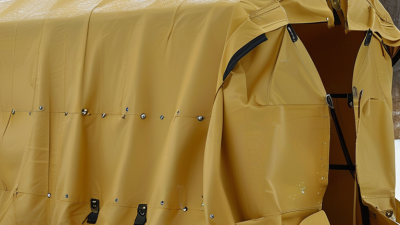
Choose solution-dyed polyester or tightly woven Oxford fabric for stronger UV and abrasion resistance. A polyurethane coating can repel rain, but poor breathability may trap condensation against painted panels. Look for roof vents, soft inner backing, reinforced corners, and adjustable straps that stay clear of wheels. Webbing should feel dense, not papery. Buckles need gloves-friendly release points. Check the fabric’s tested water resistance, tear strength, and light-fade performance instead of trusting vague “all-weather” wording. ASTM textile test methods can help compare these claims, although they do not guarantee trailer-specific performance.
Fit matters more than impressive fabric alone.
Tips: Measure the trailer’s full length, height, mirrors, spare tire, and rear hardware. Test the cover during a dry day first. I would avoid covering a wet trailer for long storage, even with breathable fabric. Trapped moisture can create a dull film and hidden corrosion. Also confirm that the cover is designed for parked storage, not towing. This distinction is easy to miss. NOAA climate records show that heat, rainfall, and solar exposure vary sharply by region, so one material choice cannot suit every owner. A reflective upper panel may help in hot climates, while stronger venting matters more in humid yards.
Weather, Fit, Durability, and Ease of Use
What Is the Best Horse Trailer Cover in 2026?
Weather, Fit, Durability, and Ease of Use
A reliable horse trailer cover must handle sun, rain, wind, and daily movement. NOAA’s 1991–2020 Climate Normals show that regional weather differs sharply across the United States. A cover suitable for dry Arizona may fail in humid Florida. Look for solution-dyed fabric, sealed seams, and breathable panels. Breathability matters. Trapped moisture can leave a musty smell and encourage corrosion inside the trailer. In my experience, a slightly loose cover flaps loudly and wears faster around mirrors, vents, and roof edges. A precise fit usually lasts longer.
Durability should be judged by construction, not fabric weight alone. ASTM D751 identifies test methods for coated fabrics, including tear and seam strength. Ask whether the product has documented test results. Claims without test details deserve caution. A strong cover should include reinforced corners, soft inner lining, and adjustable straps that stay tight during gusts. The National Weather Service warns that ultraviolet exposure can damage outdoor materials over time, so UV resistance is essential. Still, no cover is truly permanent. I would replace one after serious cracking, even if it looks usable.
Tips: Measure the trailer from the highest roof point to the lowest rear edge. Include mirrors, tack compartments, and spare tires. Install the cover only on a clean, dry surface. Check straps after the first windy night. I once trusted a “universal” fit and regretted it; convenience was not worth the loose fabric. Recheck the cover every few weeks, especially before long-distance towing.
What Is the Best Horse Trailer Cover in 2026?
Comparison of common horse trailer cover designs across weather protection, fit, durability, and ease of use. Scores use a practical 1–10 scale, where higher is better.
How to read the chart: A fitted, breathable ripstop cover offers the strongest overall balance, while a UV-resistant cover is easiest to handle. Weather protection, correct sizing, reinforced construction, and manageable installation are the most important factors for long-term use.
Maintenance, Storage, and Long-Term Value
A good horse trailer cover earns its value during storage, not only during travel.
The American Horse Council’s 2023 Economic Impact Study estimates that the U.S. horse industry contributes $177 billion annually. That scale makes equipment care more than a cosmetic concern. Dust, bird droppings, tree sap, and trapped moisture can damage paint, seals, vents, and interior fittings. In my experience, a breathable, UV-resistant cover works best when the trailer is completely dry. Covering a damp roof is a mistake. I have made it.
Storage conditions matter.
NOAA recorded 28 separate billion-dollar weather and climate disasters in the United States during 2023, showing how severe exposure can become. A trailer stored beneath trees may need more frequent cleaning than one kept under a roof. Inspect the cover after heavy rain, especially around seams and wheel arches. Loose fabric can flap against painted surfaces like fine sandpaper. Check for abrasion every few weeks. Small damage is easier to repair.
Long-term value also depends on restraint.
Do not treat a cover as a substitute for ventilation, tire checks, or corrosion inspections. Before covering, wash road salt from the frame and inspect drain points. The U.S. Department of Transportation continues to identify tire condition as a major trailer safety concern, so stored equipment still needs routine checks. The best cover is not necessarily the thickest one. It should fit securely, allow airflow, resist ultraviolet exposure, and remain manageable for one person. Sometimes convenience determines whether maintenance actually happens.