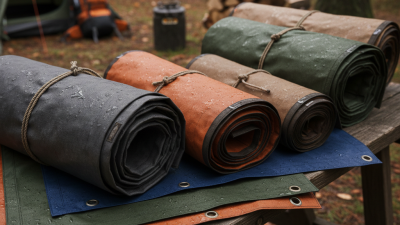
How to Choose the Best Polyethylene Lumber Tarp
Choosing the best Polyethylene Lumber Tarp begins with the load, not the color. Lumber creates sharp corners, uneven pressure, and long exposed surfaces. A suitable tarp must resist tearing, water entry, ultraviolet exposure, and repeated folding. It should also fit the load without excessive flapping. Small details matter.
Grand View Research reports that the global tarpaulin sheets market is expanding steadily, supported by transportation, construction, and agricultural demand. The report also identifies polyethylene as a widely used material because of its low weight, moisture resistance, and cost efficiency. Meanwhile, the U.S. Federal Motor Carrier Safety Administration emphasizes securement systems that prevent cargo movement, shifting, and loss during transportation. A tarp supports that system. It does not replace it.
Dr. George Wypych, a recognized polymer-materials specialist and editor of the Handbook of Material Weathering, states, “Weathering is a complex process.” That warning applies directly to lumber tarps. A thick-looking fabric may still fail when sunlight weakens its coating, water collects in a sagging section, or grommets pull under tension. No tarp is perfect. Buyers sometimes focus too heavily on denier and ignore stitching, reinforced hems, UV treatment, and usable dimensions. That is a mistake worth reconsidering. The right Polyethylene Lumber Tarp combines measurable fabric strength with practical fit, dependable fastening points, and realistic maintenance expectations. This guide examines those factors closely, using field experience, manufacturer specifications, and established transportation guidance to support a more defensible purchasing decision.
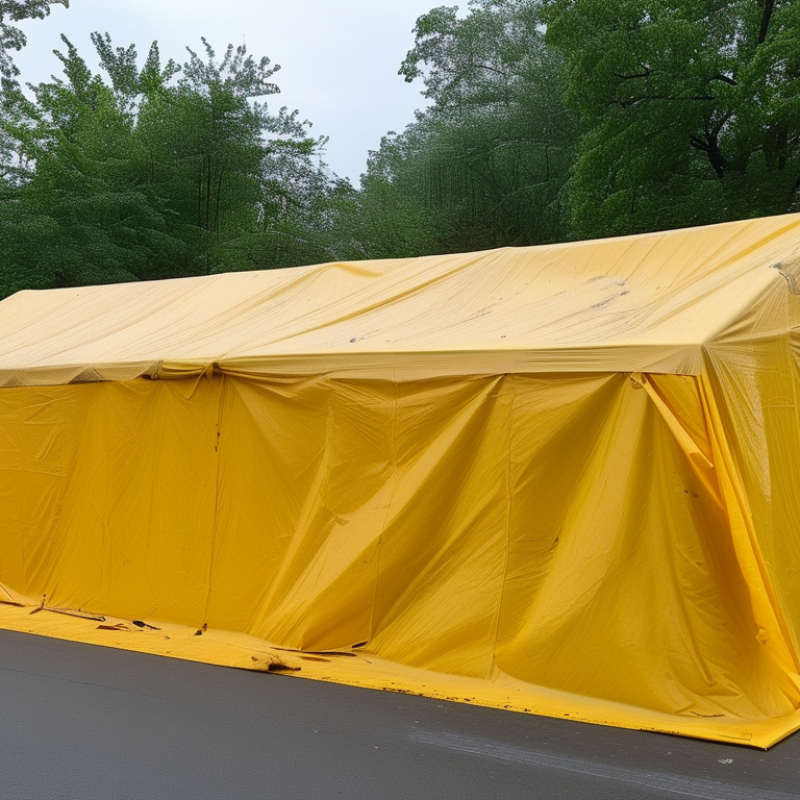
Understanding Polyethylene Lumber Tarp Materials and Construction
Polyethylene lumber tarps are built for repeated exposure to wood edges, rain, sunlight, and road vibration.
Their core material is usually woven polyethylene, which provides strength through crossing plastic strands. A laminated coating helps block water and reduces surface abrasion. Look closer. A heavier fabric is not always better if the tarp becomes difficult to fold or secure.
Construction details often decide service life.
Check the denier, fabric weight, and ultraviolet treatment in the specification sheet. Reinforced hems should contain strong webbing, not only folded plastic. Grommets or D-rings need firm attachment points around the perimeter. For lumber loads, useful tarps often include drop flaps that cover exposed ends. Poorly positioned rings can create tension in the wrong places. That matters.
Seams deserve practical attention.
Heat-sealed seams can improve water resistance, while reinforced stitching may provide better flexibility under movement. Some designs use both methods. Before choosing, inspect corner patches, strap placement, and the distance between tie-down points. A tarp can look thick in a product photo yet feel weak at the hem. I would also allow extra coverage for shifting stacks, although too much loose material may flap violently. Measure the load carefully, then compare those measurements with usable tarp dimensions rather than advertised overall size.
Comparing Waterproofing, UV Resistance, and Tear Strength
How to Choose the Best Polyethylene Lumber Tarp
Comparing Waterproofing, UV Resistance, and Tear Strength
Choosing the best polyethylene lumber tarp starts with the load, not the color. A tarp should shed rain, resist sunlight, and survive tension around rough boards. Waterproofing depends on coated fabric and seam construction. Look for heat-sealed seams, reinforced hems, and protected grommets. A glossy surface alone proves little. Water often enters through stitching, folded corners, or damaged edge webbing.
UV resistance matters when a covered load sits outdoors for days or weeks. UV-stabilized polyethylene slows brittleness, fading, and cracking. Ask for tested UV performance, not vague claims. Tear strength also deserves close attention. Heavy fabric can resist punctures, yet weak reinforcement may fail at a corner. I have seen a tarp survive strong wind but split after repeated folding. That result changed how I inspect stress points. No material choice is perfect.
Tips: Compare tear and tensile ratings under the same test method. Check the fabric weight, but do not judge quality by weight alone. Examine corner patches and grommet spacing. Leave enough slack for secure coverage, while avoiding loose sections that flap against rough lumber. Clean grit from the tarp before folding. Small habits matter.
Evaluating Grommets, Flaps, Seams, and Securement Features
Choosing the best polyethylene lumber tarp requires more than checking its size and weight. The cover must manage friction, wind, moisture, and repeated loading. In field inspections, I look closely at the grommets first. Heavy-duty grommets should sit evenly, without torn fabric or loose edges. Their spacing matters because wide gaps can create pressure points during tie-down. A grommet that looks strong may still fail if the surrounding material is thin.
Flaps provide another layer of protection. They should overlap the load and remain flexible in cold weather. Short or stiff flaps can expose lumber ends to rain and road spray. Seams deserve equal attention. Reinforced, cleanly stitched seams usually resist separation better than single rows of light stitching. I check corners carefully, since those areas receive constant tension. Small wrinkles are harmless. Open stitching is not.
Securement features must work with your hauling routine. Multiple attachment points help distribute force across the tarp instead of concentrating it near one corner. D-rings, straps, and reinforced edges should feel firmly integrated into the fabric. I prefer testing the tarp with a moderate load before relying on it for long trips. This step often reveals poor alignment or awkward access. Even experienced operators can overlook a weak corner. The tarp should remain tight without excessive tension, because over-tightening may damage grommets, seams, or the load itself.
Selecting a Tarp Based on Load Type, Weather, and Usage Conditions
A polyethylene lumber tarp should match the load before it matches the budget.
The U.S. Department of Transportation’s Freight Facts and Figures reports that trucks moved roughly 11 billion tons of freight in 2022. That scale explains why small tarp failures matter. For stacked lumber, choose reinforced polyethylene fabric with strong hems, reliable grommets, and enough drop to cover exposed edges. A tight fit reduces flapping. Do not compress the stack so heavily that air cannot move underneath.
Weather changes the specification.
NOAA’s National Centers for Environmental Information identified 2023 as the warmest year in recorded global history. Heat, sunlight, rain, and freezing conditions can each shorten tarp life. Select UV-stabilized material for regular outdoor storage. For wet routes, inspect the coating and seams, not only the advertised waterproof rating. Snow requires extra strength because weight collects in flat areas. Wind is less forgiving. Use durable tie-down points, but avoid creating sharp stress lines at corners.
Usage conditions decide whether a medium-duty tarp is practical.
Frequent loading needs reinforced edges and abrasion-resistant panels. Short, sheltered trips may need less. ASTM D751 provides recognized test methods for coated fabrics, yet a test result is not a guarantee of field performance. I have seen good material fail after careless folding over rough boards. That part is easy to underestimate. Check grommets, stitching, and corner wear after every demanding trip. A cheaper tarp can work, but only when its limits are understood.