What is Polyethylene Lumber Tarp and its Benefits?
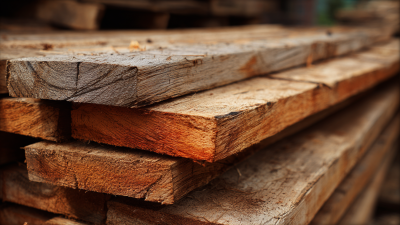
In the world of outdoor construction and materials transport, a Polyethylene Lumber Tarp has become an essential item. Expert John Smith, a veteran in the lumber industry, notes, "Using a quality tarp can save wood from damage and extend its life." This statement reflects the importance of protecting valuable materials.
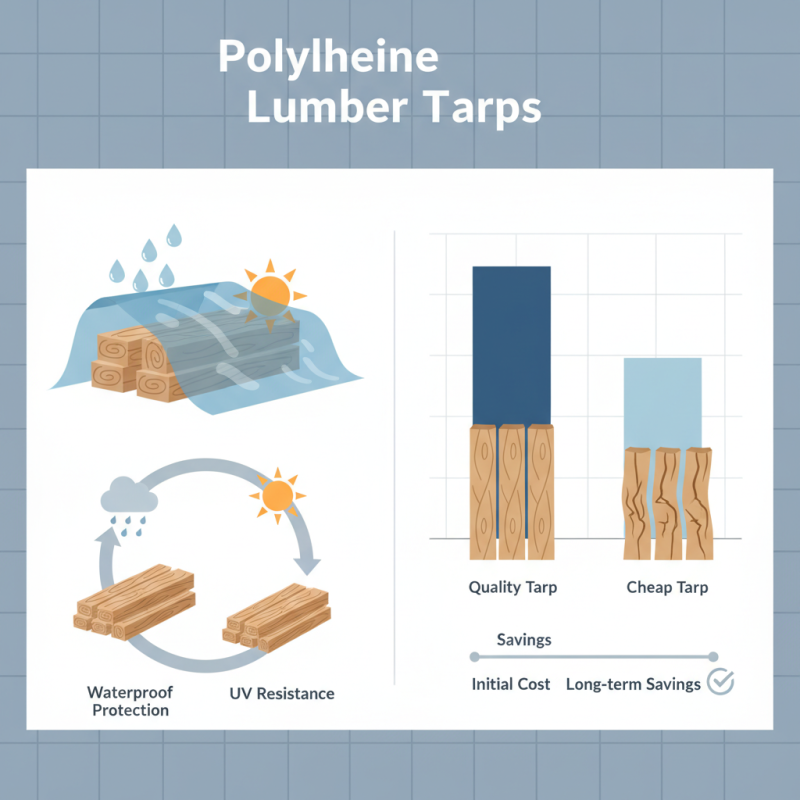
Polyethylene Lumber Tarps are designed to safeguard lumber against weather elements. They are waterproof and UV-resistant, providing durability in various conditions. These tarps not only protect against rain but also shield against the harsh sun. However, not all tarps are created equal. Consumers sometimes settle for cheaper options, which may fail under stress.
Additionally, investing in a quality Polyethylene Lumber Tarp is crucial. Many users overlook the long-term cost benefits of a sturdy tarp. Inadequate protection can lead to warped or damaged wood. Reflecting on these aspects can lead to better choices when purchasing tarps. Choosing wisely can ensure that valuable resources remain in good condition for longer.
Definition of Polyethylene Lumber Tarp and Its Composition
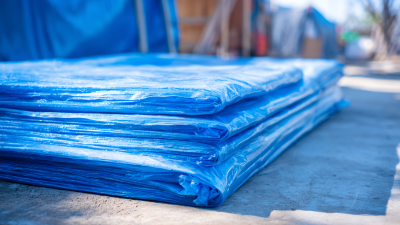
Polyethylene lumber tarps are essential for protecting wood materials. These tarps are made from high-density polyethylene, known for its strength and durability. They provide a reliable barrier against weather elements, such as rain and UV rays. The material is lightweight yet sturdy, making it easy to handle.
In terms of composition, polyethylene lumber tarps often feature reinforced edges. This enhances their resistance to wear and tear during handling. The tarps may also include grommets for secure tie-downs, ensuring they stay in place even in windy conditions. These details contribute to the tarp's functionality, allowing for stable protection over time.
Many users appreciate these tarps for their versatility. They serve not only in construction but also in outdoor storage. However, some find them challenging to fold neatly after use. Wrinkles and creases can accumulate, making storage cumbersome. Reflecting on this, it’s clear that while effective, polyethylene tarps can require a bit more attention in maintenance.
What is Polyethylene Lumber Tarp and its Benefits?
| Aspect |
Details |
| Definition |
Polyethylene lumber tarp is a durable covering designed to protect lumber and other materials from environmental elements. |
| Material Composition |
Made from high-density polyethylene (HDPE), which provides strength and water resistance. |
| Weight |
Typically weighs between 6-12 ounces per square yard, depending on thickness. |
| Durability |
Highly resistant to tears, punctures, and UV degradation, lasting for several years with proper care. |
| Benefits |
Protects materials from rain, snow, sun damage, and debris, reducing waste and maintaining quality. |
| Applications |
Used in construction sites, lumber yards, and outdoor storage areas to cover and safeguard materials. |
| Customization |
Available in various sizes, colors, and configurations to meet specific user needs. |
Common Uses of Polyethylene Lumber Tarps in Various Industries
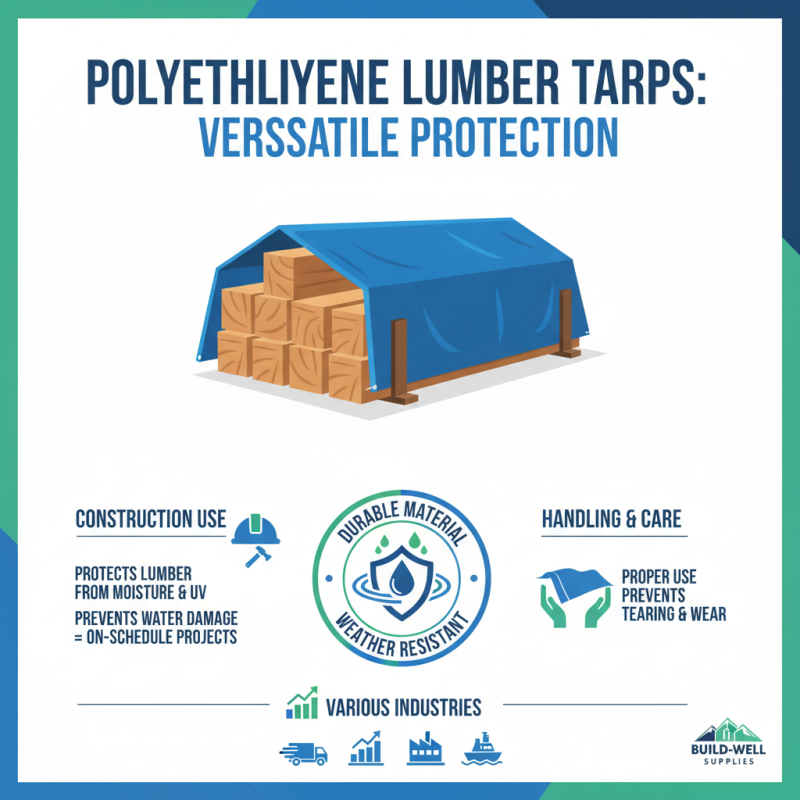
Polyethylene lumber tarps are versatile tools used across various industries. In construction, they are employed to cover lumber and protect it from moisture and UV damage. The durable material ensures that projects stay on schedule by preventing water damage. However, improper handling can lead to tearing or wear over time.
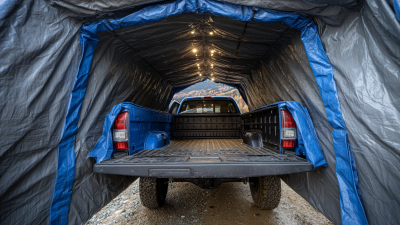
In the transportation sector, these tarps are crucial. They secure loads on flatbeds and trailers, keeping them safe during transit. Their lightweight nature makes them easy to handle, but they still require proper storage to avoid damage. Some workers may underestimate their strength, leading to improper use.
Agriculture also benefits from polyethylene lumber tarps. They are used to cover soil and protect crops from harsh weather. While they are effective, they need regular checks for wear. Neglecting maintenance can result in ineffective coverage and crop loss. Awareness of these factors is essential for maximizing their potential in different industries.
Key Benefits of Using Polyethylene Lumber Tarps for Outdoor Protection
Polyethylene lumber tarps are versatile tools that provide excellent protection for outdoor materials. These tarps are made from waterproof material, which helps shield lumber from rain and moisture. In addition, they prevent UV damage from the sun's harmful rays. The durability of polyethylene makes these tarps suitable for various weather conditions. They resist tearing and can endure harsh environments.
Another key advantage is their lightweight nature. This makes them easy to handle and transport. You can quickly cover a stack of lumber, ensuring efficient protection. Their bright colors often enhance visibility, which can be important if the lumber is near a roadway. However, some users may find that the lighter shades can fade over time. This can be a drawback for long-term usage.
Finally, these tarps are cost-effective solutions for anyone needing protection. They often come in various sizes to fit different loads. Yet, it's crucial to consider the tarp's sizing relative to the lumber pile. A tarp that's too small won't provide adequate coverage. Regular checks are necessary to ensure that the tarp is in good condition. Over time, wear and tear may require replacement to maintain effective protection.
Durability and Longevity: Why Polyethylene Tarps Outperform Other Materials
When considering durable materials, polyethylene lumber tarps stand out. Their robust nature makes them ideal for various applications. Unlike canvas or vinyl, polyethylene offers superior water resistance. This is essential for protecting lumber from moisture and damage.
Polyethylene tarps resist tearing and fading. Their strength allows them to withstand harsh weather. Some users have found their tarps became brittle over time. Regular inspection can prevent unexpected failures. These tarps remain flexible, even in cold temperatures.
In addition to durability, longevity is a key factor. Polyethylene can last for many years with proper care. Its lightweight design makes handling easier. However, cheap alternatives may not provide the same benefits. Investing in quality is crucial. Some might overlook maintenance. Yet, maintaining these tarps can ensure they serve longer.
Maintenance Tips for Prolonging the Life of Polyethylene Lumber Tarps
Polyethylene lumber tarps are designed to protect lumber from the elements. To ensure their longevity, regular maintenance is essential. Start by inspecting the tarp for any signs of wear or tear. Small holes can quickly become bigger if not addressed. Use a strong adhesive patch to cover small damage and prevent moisture from seeping in. It’s also wise to store the tarp properly when not in use. A damp tarp can develop mold, ruining its effectiveness.
Cleaning the tarp is equally important. Use mild soap and water to remove dirt and debris. Avoid harsh chemicals that could break down the polyethylene material. After washing, let the tarp dry completely before folding it. This helps to prevent mildew. If you notice the tarp losing its color or becoming brittle, it may be time to reconsider how it's being stored. Sometimes, our care routines need adjusting for better results. Noticing these signs early can save you from costly replacements down the line.